


China Gets the Nicer Nissan Sedans
China is now a key market for global carmakers, and, surprisingly, buyers there are shifting back to sedans that offer serious tech. Automakers are pushing boundaries to get noticed, and Nissan is one of them. The brand launched two new electrified sedans and a refreshed Teana late last year – the latter being the more premium take on the Altima sold in the US.
The new Teana, built by Dongfeng Nissan, puts a big emphasis on tech and interior quality. It looks a class above what you’d expect from an Altima-based sedan. Part of that comes from a glowing AI speaker on the dash, but the real surprise is the material choice. Nissan worked with Mitsubishi Chemical Corporation (MCC) to use Durabio, a plant-based plastic that looks and feels closer to crystal than the usual trim.
In China, buyers care about big screens, lighting, and how upscale a car feels. The Teana’s interior is built to make a strong first impression, and it stands out even more when you see it lit up at night.
Nissan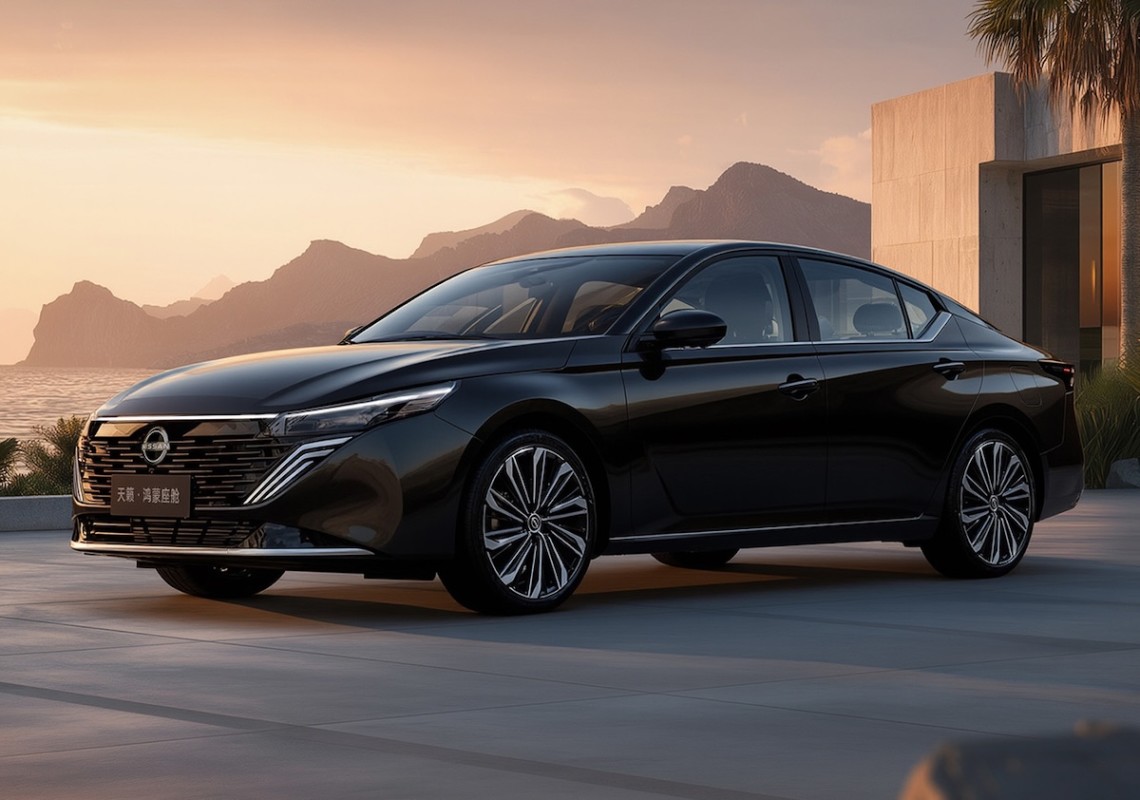
What Durabio Brings, Plus a Dose of Huawei
Durabio is more than just a marketing fluff. MCC developed it as a bio-based plastic using plant-derived isosorbide. It’s clearer and handles light better than regular polycarbonate, which helps create lighting that looks deep and high-end instead of cheap or artificial.
On the Teana, Durabio is used for the inverted-pyramid AI speaker that lights up with six pillars glowing in up to 256 colors. The material refracts light cleanly, giving it a crystal-like look without needing a clear coat. That saves manufacturing steps, lowers environmental footprint, and still meets automotive durability standards.
Teana runs a Huawei-based operating system to go with Durabio. The end result is an interior that feels modern and thoughtfully put together (at least visually), not just a quick update.
Nissan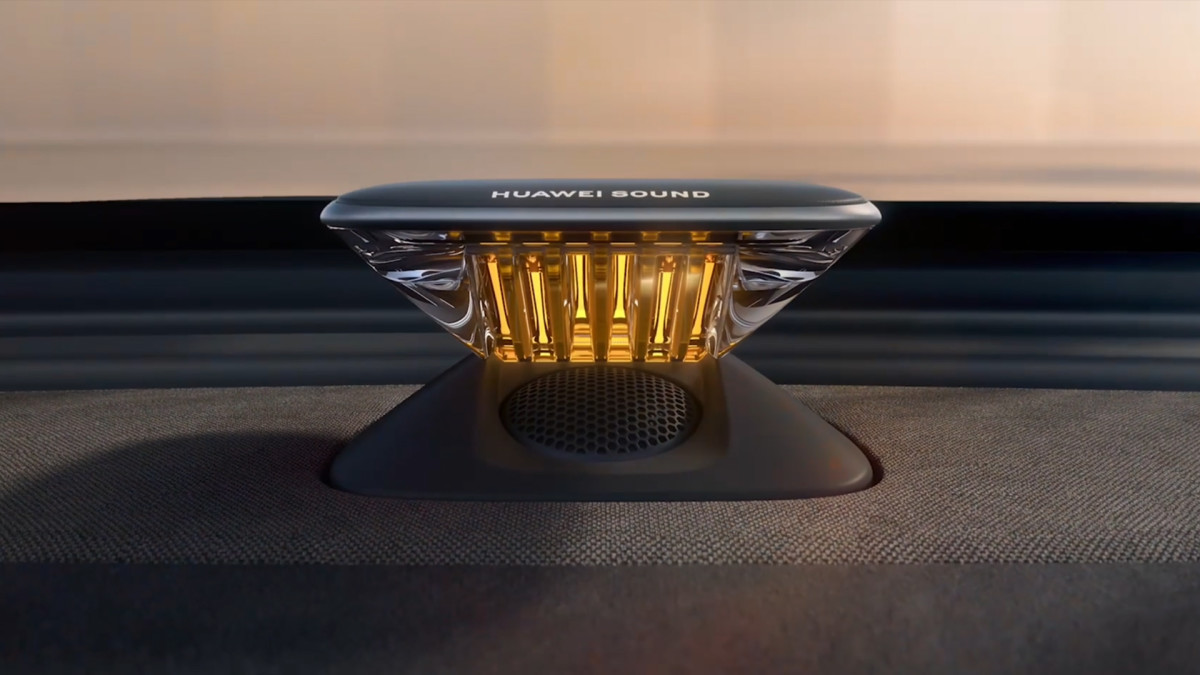
Meanwhile, the American Altima Stays the Course
Meanwhile, the US-market Altima heads into 2026 with almost no changes from last year. It remains affordable and practical, but next to the Teana, it comes across as very restrained. Nissan still sells a lot of sedans in the US, with over 255,000 units last year (out of the brand’s over 760,000-unit sales), but the Altima’s own sales dropped to 93,268 in 2025, down 18 percent from the year before.
That drop probably comes from the Altima’s age. The current model dates back to 2018, with its last big update in 2022. It no longer stands out for design or interior appeal. After seeing what Nissan has done with the Teana, it’s fair to ask (hope, even) if a more upscale, more distinctive Altima could bring buyers back to the midsize sedan segment.
For now, there’s no clear answer. But with China getting the more ambitious upgrades, it’s easy to see how a bit of that Durabio-inspired thinking could only help the Altima.
Nissan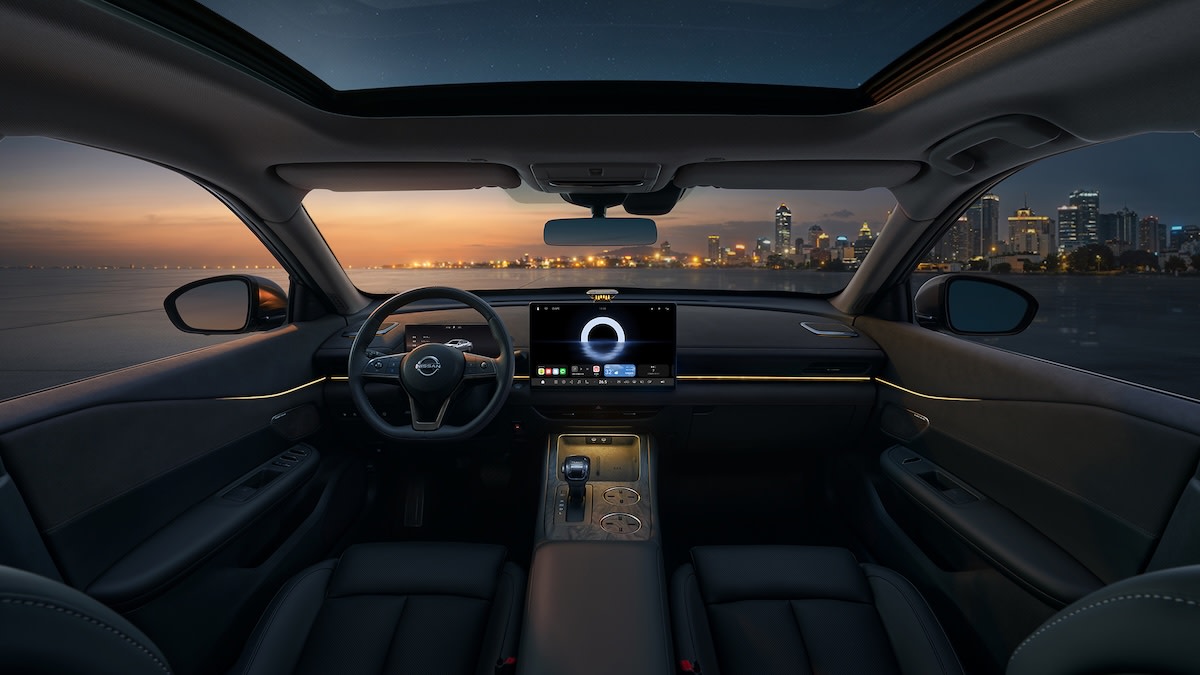
View the 9 images of this gallery on the
original article