


There are plenty of keyboard warriors out there who are itching to inform an unsuspecting DIYer about exactly how they would have done something differently, or used XYZ’s oil brand over a competitor’s, and so on. However, when it comes to engine oil, using the correct type and weight is vitally important for extending the engine’s life. We all hear about how Toyota and comparable manufacturers’ engines last a lifetime – just think about that Kia Telluride your parents have been driving across the country since it was first released ten years ago. However, keeping a car running for 300,000 miles or more usually comes down to regular maintenance and proper oil type. Once your car starts reaching higher miles, it’s time to use high-mileage oil. In this article, we discuss what high mileage oil is, when you should use it, and why.
Toyota
- Founded
-
August 28, 1937
- Founder
-
Kiichiro Toyoda
- Headquarters
-
Aichi, Japan
- Owned By
-
Publicly Traded
- Current CEO
-
Koji Sato
CarBuzz recommends using the oil specified by your vehicle’s manufacturer. This is found in the owner’s manual, and usually on the oil cap itself.
What Are The Different Types Of Engine Oil?
Full Synthetic
Full-synthetic engine oil has undergone a chemically engineered process to better align the molecules in the oil. There are fewer impurities, the oil molecules are more uniform for an even coating at a microscopic level, and it has better properties than most conventional oils. Benefits usually include better performance in extreme temperatures, be they hot or cold.
Conventional
While conventional oil is often less refined and can contain some impurities that get removed in the process for full-synthetic oil, it’s important to note how modern oil has improved by leagues and bounds over the last few decades. This type of oil is found in a wide variety of viscosity grades and qualities depending on brand and sources. Most oil brands recommend conventional oil in cars with simple engines and for drivers who don’t push their cars to the limit.
Synthetic Blend
A synthetic blend is exactly what it sounds like: a combination of synthetic and conventional oils. This oil type is common across most applications and engines, and adds resistance to oxidization. It also performs well in extreme cold temperatures.
High-Mileage
The best high-mileage oil is up for debate, but the facts of the matter are simple. For older cars, or any car with over 75,000 miles, a high-mileage engine oil is recommended by most brands and many auto manufacturers. It’s usually a full-synthetic oil with additives that reduce the amount of oil being burned off, and it can help prevent leaks. One common additive is used to swell o-rings, seals, and gaskets to create tighter fits and prevent seepage.
How Do I Know What Oil My Car Needs?

One of the most basic maintenance procedures a person can do to their own car is changing the oil. With that being said, it’s important to know exactly what type, weight, and viscosity grade of oil your car requires, and the steps to changing oil yourself. In general, the specific viscosity and weight of your car’s oil is found in the owner’s manual, and usually on the oil cap itself (as pictured above). However, engine oil goes beyond those metrics.
We discussed the four types of oil in the previous section. Once you learn the proper oil grade, which is important to abide by the manufacturer’s specification, it’s up to the owner to decide which type is best for their car. Many luxury cars will recommend full-synthetic oils, since they usually have more complicated engines. This type of oil is also more important for those with more severe driving habits. If you only drive slowly and consistently, your car’s simple engine can get away with conventional motor oil. However, other drivers and those with complicated engines should use synthetic or blends.
“The smaller the number, the better it will flow. So a 5W-30 engine oil will flow easier than a 10W-30 at start-up temperatures and a 10W-30 will flow easier than a 10W-40 at normal engine operating temperatures.”
When To Start Using High-Mileage Oil
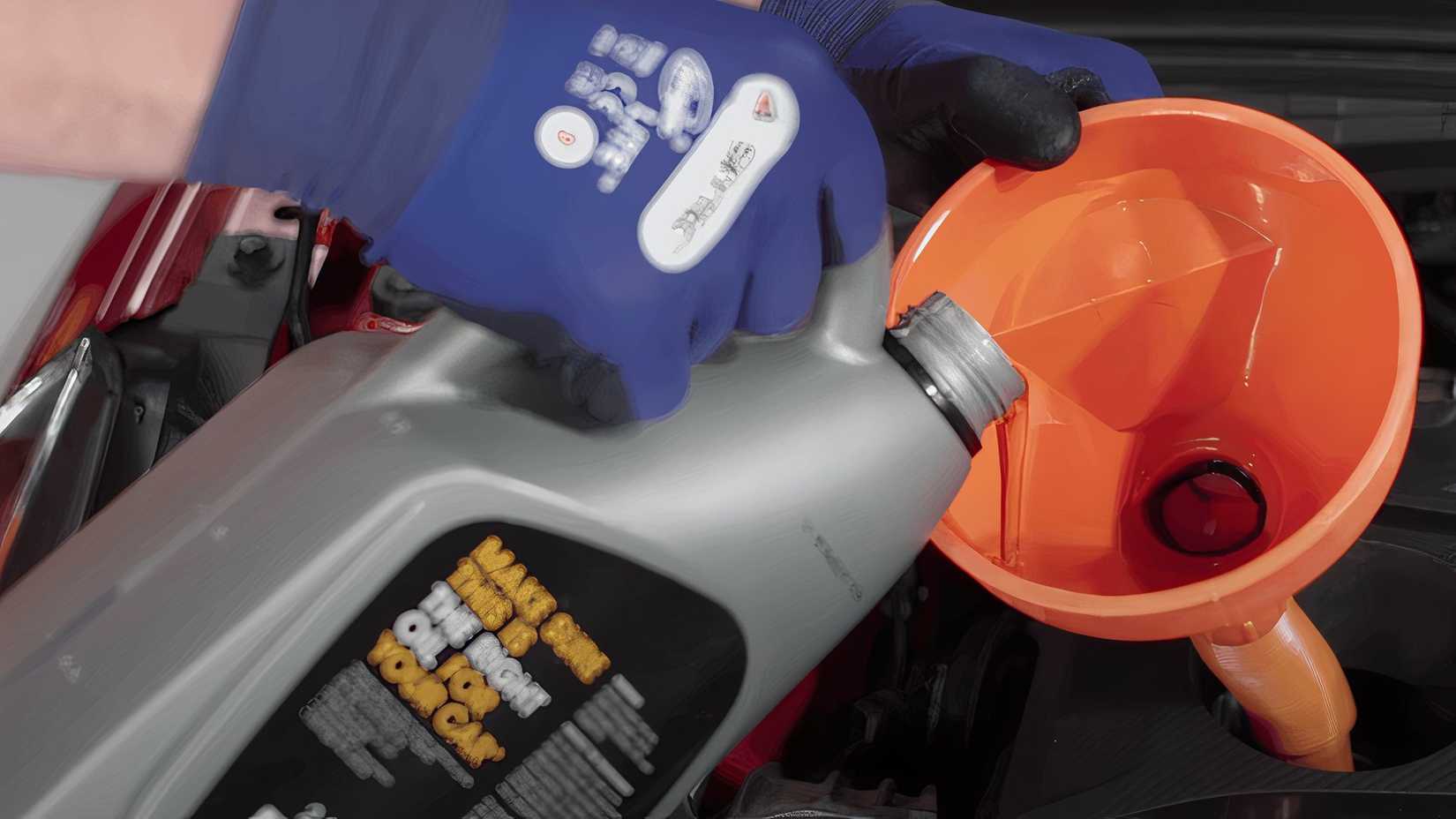
Deciding when to start using high-mileage oil is ultimately up to the owner. It also comes down to how you drive and maintain your vehicle. For example, driving on the highway usually produces less wear than driving in the city. Highway driving does less damage to your engine over time, since there is less starting and stopping, more consistent temperatures over time, steady engine revolutions, and so on. So, a car with 75,000 miles that was primarily driven in the city might have the same amount of wear as a car with 100,000 miles that were accrued on the highway.
If you think you’re in the category of drivers who commute long-distance on highways most of the time, you might be able to get away with not using high-mileage oil until later. However, for those who beat on their cars, or drive in the city for most of their car’s life, you should consider switching to oil for high-mileage cars. There are consequences to using the wrong oil, so be sure to consult the owner’s manual before changing which oil you use.
Why Should You Use High-Mileage Engine Oil?
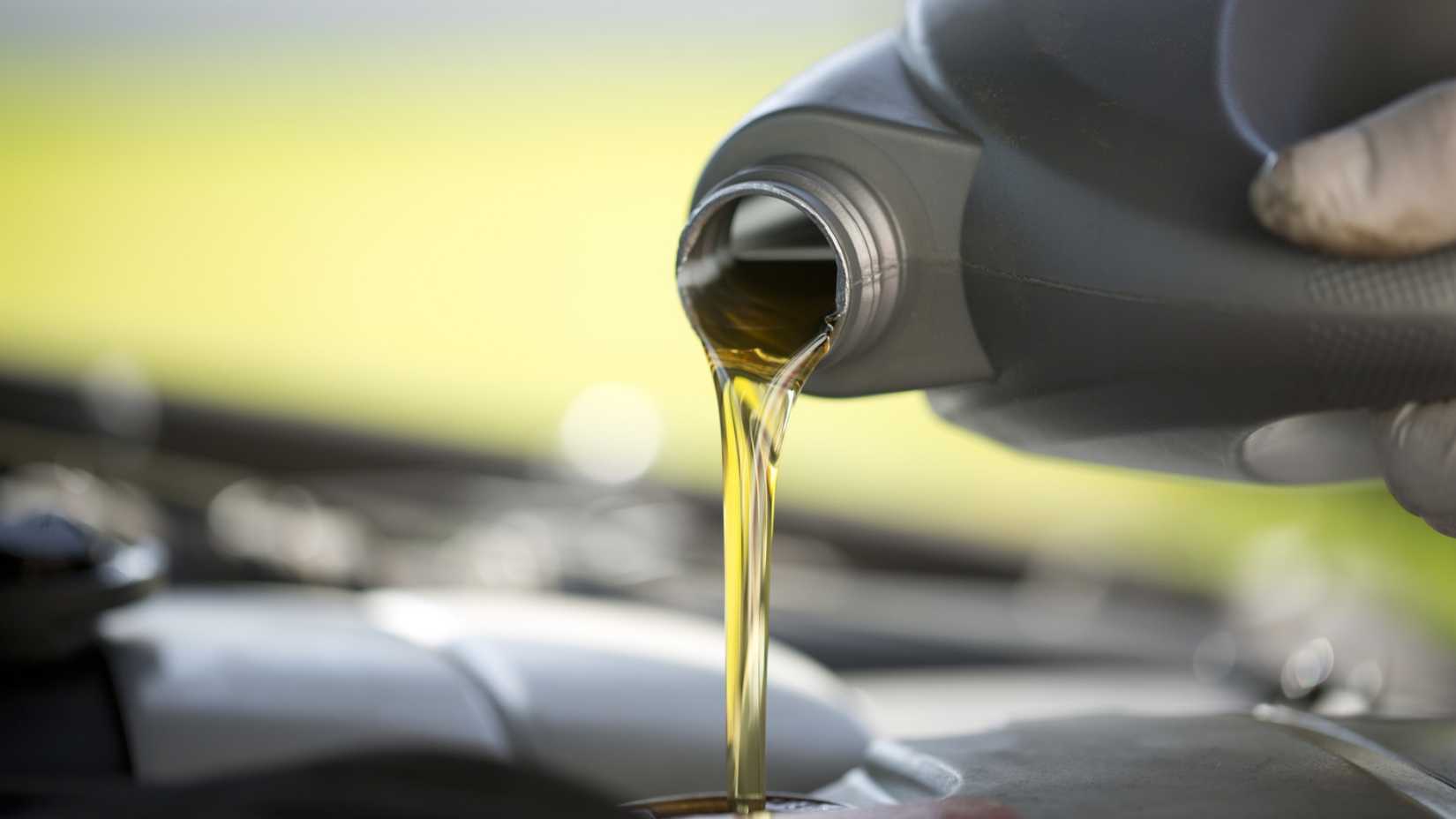
As we discussed earlier, high-mileage motor oil is beneficial for cars with over 75,000 miles on the odometer. When a car reaches higher miles, problems like leaks, oil burning off, and more are likely to occur. Here are a few of the most common reasons to use oil designed for engines with high miles.
- High-mileage oil doesn’t burn off as quickly
- Can protect against small leaks
- Can protect against sludge buildup
- Prevents seepage into areas where oil should not be
There aren’t many cons to using specific oil for high-mileage cars. The most common gripe has to do with high-mileage motor oil costing more than other types of oil.
Summary: High Mileage Oil Is Worth It

When all is said and done, you should listen to whatever the manufacturer of your vehicle has to say about which oil is best for your car. Everybody has their preferences for what oil type is the best, but the most important part is getting the weight and viscosity grade correct. With simple cars and low miles, the type of oil, whether conventional, synthetic, or a blend, is not as important. High-mileage cars, those with more complicated engines, and drivers with more intense habits should heed their cars’ warnings. If your car has over 75,000 miles, and you start to notice oil burning off or leaking at higher rates than before, it might be time to switch over to using a high-mileage oil.
FAQs
Do high mileage oils make a difference?
For many cars, yes. High-mileage oil can increase the longevity of your car’s engine past 75,000 miles in addition to other regular maintenance.
Is 5W30 or 5W40 better for high mileage?
It’s important to stick to the oil weight specified by the manufacturer; high-mileage oil comes in various weights, which should match that which is required for your car.
Does high mileage oil damage seals?
The short answer is no, high-mileage oil does not damage seals. They usually contain an additive that causes seals to swell and prevents seepage and leaks, but this should not cause damage to the seals.
Sources: Pennzoil, AutoZone, Castrol, Machinery Lubrication