

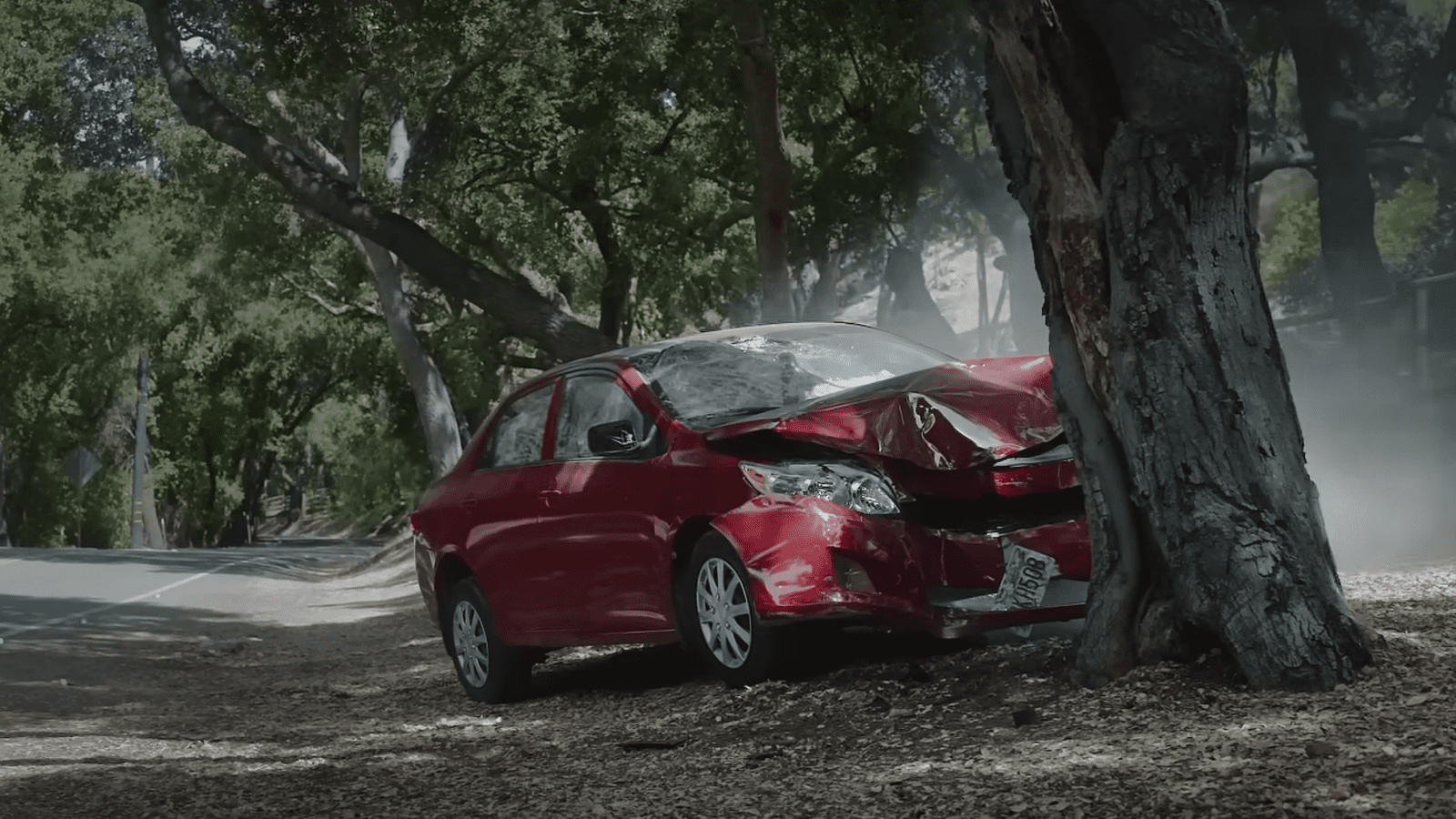
You have come to the conclusion that it’s time to upgrade your transportation situation. It is, however, a bittersweet realization because your trade would be considered to be in bad shape on a good day. Okay, so you had a little “mishap” last year and haven’t gotten it fixed for whatever reason. But that new Acura Integra is screaming your name.
Acura
- Founded
-
March 27, 1986
- Founder
-
Soichiro Honda
- Headquarters
-
Torrance, CA, USA
- Owned By
-
American Honda Motor Company
- Production Status
-
Available
So here is the question – should you repair body damage before trading in your car, or trade it in as is? And, can you even trade in a wrecked or damaged car at all in order to upgrade? Let’s unpack what your options are for a wrecked car.
This article covers some key points regarding the pros and cons of trading in a wrecked vehicle versus getting a vehicle repaired before trading it in. It may not pertain to every situation, but it is a good general guideline on how the process works, and some major factors to consider during your decision process.
Trade It In
Convenience Can Be Costly
We have all heard the famous “Push it, pull it, drag it in!” phrase on a dealership radio ad. The answer is yes, you can trade in your vehicle with body damage. But before you do so, there are quite a few things to take into consideration, along with some extensive research to be done. Without a doubt, there is a huge convenience factor to simply trading in your damaged vehicle, throwing the dealership the keys and driving away in your shiny new car – problem solved. Not only do you get to walk away from the dread of having to get your car repaired, but you also get to keep some money in your pocket.
But is that the whole story? The used car market is not as hot as in the immediate post-pandemic era and, according to Car Edge, wholesale prices are down. Dealers use wholesale vehicle prices as a benchmark for vehicle trade-in values. The value of your trade will diminish at an alarming rate in relation to how badly damaged your vehicle really is on top of already low values. So, in a round about way, you are still paying, but you have saved yourself a considerable amount of time.
How Bad Is It?
Different types of damage will, of course, have different outcomes regarding your vehicle’s trade-in value. It is also possible that some dealerships may not accept a trade if the damage is too severe. Structural damage, for example, is one of the most severe forms that would need to be repaired. Structural damage could be anything frame or unibody related damage. A frame for a car is akin to the foundation of a home; it is the backbone of the automobile. These can not only be complicated to fix, but very expensive too – some severe jobs can reach $10,000 dollars or more. Frame repair is a massively time-consuming job that requires a large amount of labor from a specially trained technician. If a vehicle’s frame is not fixed properly, it could have major negative ramifications on safety and how well your car drives.
Large-scale problems make the deal less enticing for a dealership. In some cases, frame damage can be the death knell for a vehicle, at least as far as an insurance company is involved. Structural damage is obviously the worst-case scenario. Less dire problems like dents and scratches, however, are far less problematic and can be remedied with a fair amount of ease and time with significantly less cost for the dealer to repair. The verdict is, if you plan on trading in your damaged vehicle, you must brace yourself for a much lower trade in value and be accepting of the circumstances.
The Numbers Game
It always boils down to the numbers. Is your car paid off? Can you trade in your financed car? And if so, how much is left on your loan? Trading in a vehicle that is paid off streamlines the process and saves you money in the long run. The value of your trade will likely remain the same, and your new loan amount won’t be affected by the pay-off of an existing loan. This is a big factor to consider if you still owe on your trade. Just because you may still owe money on your trade-in certainly does not mean that the dealer will give you pay-off value. Depending on what you owe, you might find yourself in what’s called a “negative equity” situation. Simply put, negative equity is when you owe more on your car than what it’s worth.
The trade-in value on a car that is wrecked or has some cosmetic shortcomings certainly will not garner the highest and best trade in value from the dealer. At this point, if you’re in a negative equity situation, your new loan will assume the amount left over from your old loan. This creates a compounding effect of negative equity and higher loan amounts for the borrower, resulting in a higher monthly payment.
Fix It
Consider The Cost Of Repairs.
To get the highest possible trade-in value, it’s best to have a vehicle that not only operates as it should with no problems, but presents well also. A major factor to consider is if your insurance will be covering the repair, or whether you decide to pay for the repairs out of pocket. If you decide to make a claim with your insurance, you will only be responsible for the deductible. However, making a claim could ultimately raise your monthly premiums.
To make a claim or to pay out-of-pocket really depends on how big of a job it is you are looking to get done. If it’s just a small dent, or a deep scratch or two, out-of-pocket payments may be the way to go. If you need a frame horn straightened out or a major repair to maintain structural integrity, it would be wise to make a claim, as it can get awfully pricey, awfully quickly. Additionally, with auto body repair shops labor rates averaging up to $150 per hour nationally, it would be advisable to get a few different estimates from various repair facilities.

Can You Make Repairs Yourself?
Depending on how eager or motivated you are, some repairs can be a snap. This too hinges on the magnitude of the repair. There really has never been a better time than now to attempt a minor repair yourself considering how much information is available online to help walk you through an otherwise daunting process. Many people have found success tackling small repairs with help from YouTube videos and insightful direction from very knowledgeable people on vehicle-related online forums.
The parts aftermarket has also grown to make basic parts readily available and delivered to your doorstep – sometimes the following day. To make things even easier, there are a number of auto parts stores that offer tool rental at very reasonable rates. You may even find you want to keep your car after the repairs are all done – or, at the very least, get a better price on a trade in.
A Final Consideration: Can You Trade In A Wrecked Car?
The Almighty Supply And Demand
Nothing drives automotive values up or down like supply and demand. This is where a fair amount of research should be done to see how the initial value and demand of your trade may affect the outcome of your final decision. Your decision may be heavily influenced by how the market views your vehicle, and the dealerships trade-in offer will certainly reflect market demand as well. It’s also no secret that full – size trucks and SUV’s have dominated the new and used car markets over the last ten years. In fact, the sales market share has grown from 52% in 2010 up to a staggering 75% share of new and used vehicle sales in 2024.

- Base Trim Engine
-
5.0L V8 Flex-fuel (FFV)
- Base Trim Transmission
-
10-Speed Automatic
- Base Trim Drivetrain
-
Rear-Wheel Drive
Some of the worst performing vehicles in recent years have been smaller sedans, crossovers and EV’s. For example, if you’re looking to trade in a Chevrolet Silverado with a crew cab and four – wheel drive, you may not have to make as many repairs as you would if you are looking to trade in a late – model Dodge Hornet, which saw less than ten – thousand units being sold in 2024. As you can see, the demand for the vehicle you plan on trading in will have a very significant effect on the value of your car in the eyes of the dealership.
“In reality, cars that have been in accidents tend to lose market value, but there is really no way to gauge how much. … Some of the factors that affect the value are the severity of the damage, the quality of the repair, and the demand for that particular model.”
– Richard Arca, Senior Manager of Pricing, Edmunds
Sources: BestSellingCars, Car Edge, Cox, LaborRateHero, KBB