

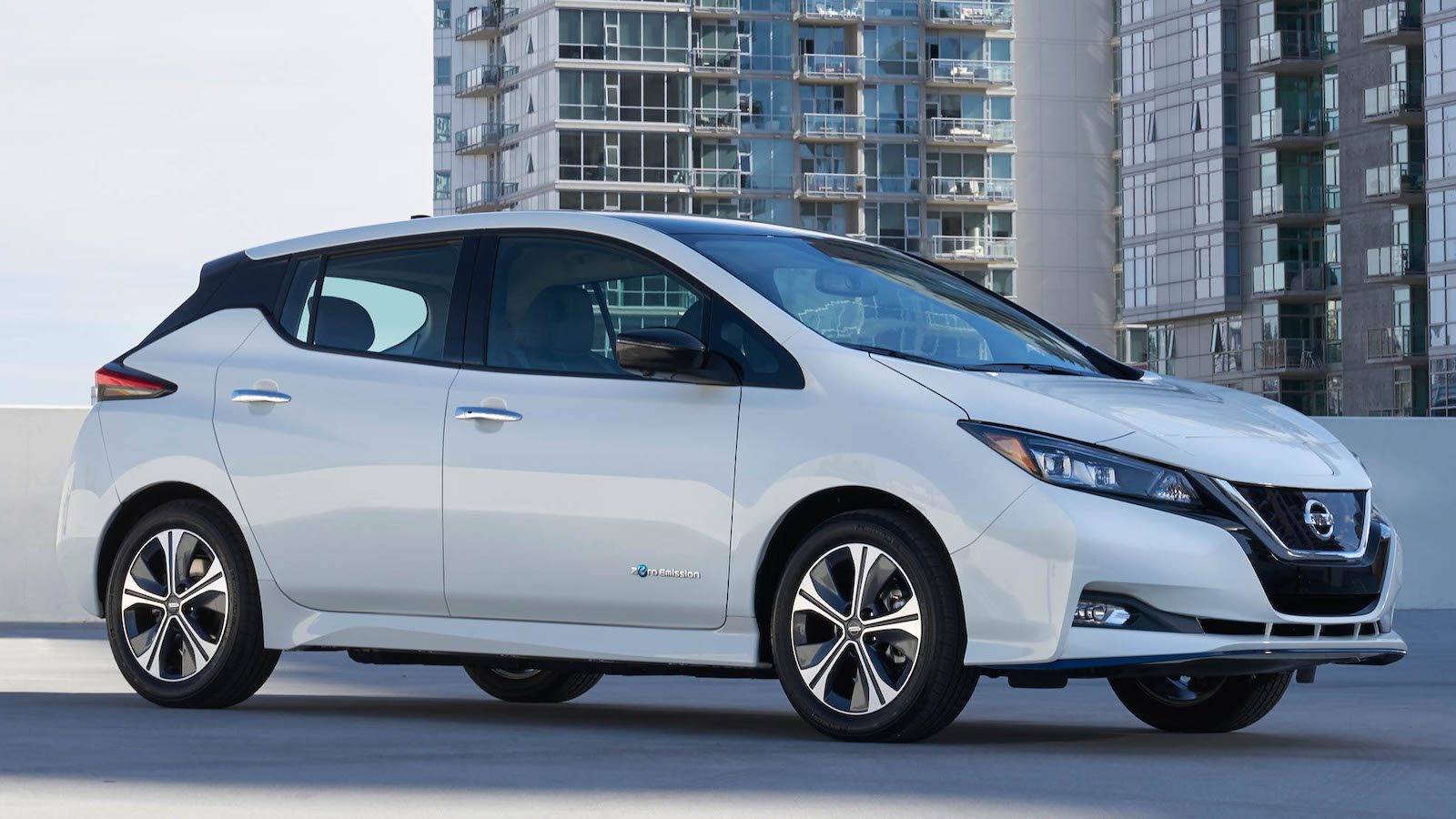
If you’re considering buying an electric vehicle (EV) or currently own one, you may have heard that temperature can greatly affect battery range. This applies to both extremely cold and hot weather. While a hot summer day can reduce your EV range, there are ways to minimize the loss. Here are five tips to help you get the most out of your electric car when the temperature rises.
1. Avoid Parking in the Sun
Most modern EVs use thermal management systems to help keep the battery, motor, and power electronics within an efficient operating range, though the design and effectiveness vary by model. When you leave your car parked in direct sunlight, heat can build up in the cabin and, in some cases, the battery pack. If the vehicle needs to cool the cabin or battery after sitting in the sun, it may use more energy before and during your drive. To help reduce heat buildup, park under a tree, in a parking garage, or in another shaded area when possible.
2. Go Easy on Air Conditioning
We understand that cranking up the air conditioner (AC) to full blast is extremely tempting on a hot day, but if you’re looking to maximize your EV’s battery range, moderate AC use can help. Like other systems in your car, air conditioning draws power from the battery. In summer heat, the range loss may be small, but extreme heat and heavy AC use can noticeably reduce driving range. In real-world testing, many EVs lose only a small amount of range around 90°F, but range loss can become more noticeable in extreme heat above 100°F.
This certainly doesn’t mean you have to turn off your AC completely. Instead, try pre-cooling the cabin while the car is still plugged in, use seat ventilation if your vehicle has it, and keep AC settings comfortable but not excessive. Before heading out, use your vehicle’s app or climate timer to pre-cool the cabin while the car is still plugged in. That way, the cabin is comfortable before you leave, and less battery energy is needed once you’re on the road.
3. Ease Up on Throttle
Like a gas-powered car, an EV’s range is heavily affected by how quickly you accelerate and how fast you drive. Taking a lead-footed approach to throttle management will do your car’s range no favors. Try to accelerate smoothly rather than aggressively. Keep an eye on your speedometer to make sure you’re traveling at a moderate speed, which will take less of a toll on your EV battery. A patient, easygoing driving style will help you optimize your travel distance.
4. Lighten Your Load
Extra weight can slightly reduce your EV’s efficiency and driving range. Check the trunk or cargo area to make sure you’re not carrying around heavy, unnecessary items. While removing a few pounds is unlikely to make a noticeable difference, clearing out bulky or heavy cargo can help, especially on longer trips.
5. Don’t Charge to 100% Every Day
Consistently charging EV batteries to 100% and leaving them there can contribute to faster battery wear over time, especially in warm or hot weather. For everyday driving, many EV owners aim to keep the battery between about 20% and 80%. Charging to 100% is still fine when you need the extra range for a longer trip, and some vehicles may recommend an occasional full charge depending on battery type and manufacturer guidance.
It’s better for your time, too, because charging from 80% to 100% often slows significantly and, on some EVs and chargers, can take nearly as long as charging from 20% to 80%. On longer summer trips, build in a small range buffer and use your EV’s route planner when possible. Many EVs can prepare the battery for fast charging when a charger is entered into the navigation system, helping speed up charging and improve efficiency.
6. Keep An Eye On Your Tires
Managing tire pressure and wear is an important part of regular year-round vehicle maintenance. Under- or overinflation, uneven wear, and unbalanced tires can drain your EV’s range. Make sure to include regular tire checks at least once a month, or before long trips, to get the best out of your vehicle’s battery.
Final thoughts
When EVs were first released, many early models offered relatively limited driving range, often around 80 miles or less. Things have changed a lot since then, and today, many new EVs offer more than 200 miles of range on a full charge. Some of the longest-range models can exceed 500 miles under official estimates, though real-world range depends on weather, speed, terrain, driving style, and use of climate control.
Editor’s Note: We have updated this article since its original publication.