


It’s hard enough to navigate the process of buying a car, from choosing the right model to negotiating pricing and going through all the paperwork. So, when the topic of extended warranty coverage arises, it can seem overwhelming. You may start wondering if an extended car warranty is worth it, how much it costs, what the pros and cons are, and whether you should sign on the dotted line – or not.
Hyundai
- Founded
-
29 December 1967
- Headquarters
-
Seoul, South Korea
- Current CEO
-
Jose Munoz
It can be tough to answer these questions, particularly with automakers like Hyundai that offer segment-leading powertrain and complimentary maintenance warranties on new cars. To help you answer these questions and make a decision on going forward with a new or used car extended warranty, we’ve put together this guide.
Discussion: Is an extended car warranty ever worth it?
Any time you buy a new car, the dealer will try to sell you an extended car warranty. Is it worth the cost? Generally, no, especially since today’s new cars come with extensive warranties right from the automaker. What do you think? Would you ever buy an extended car warranty?
What Is An Extended Warranty?
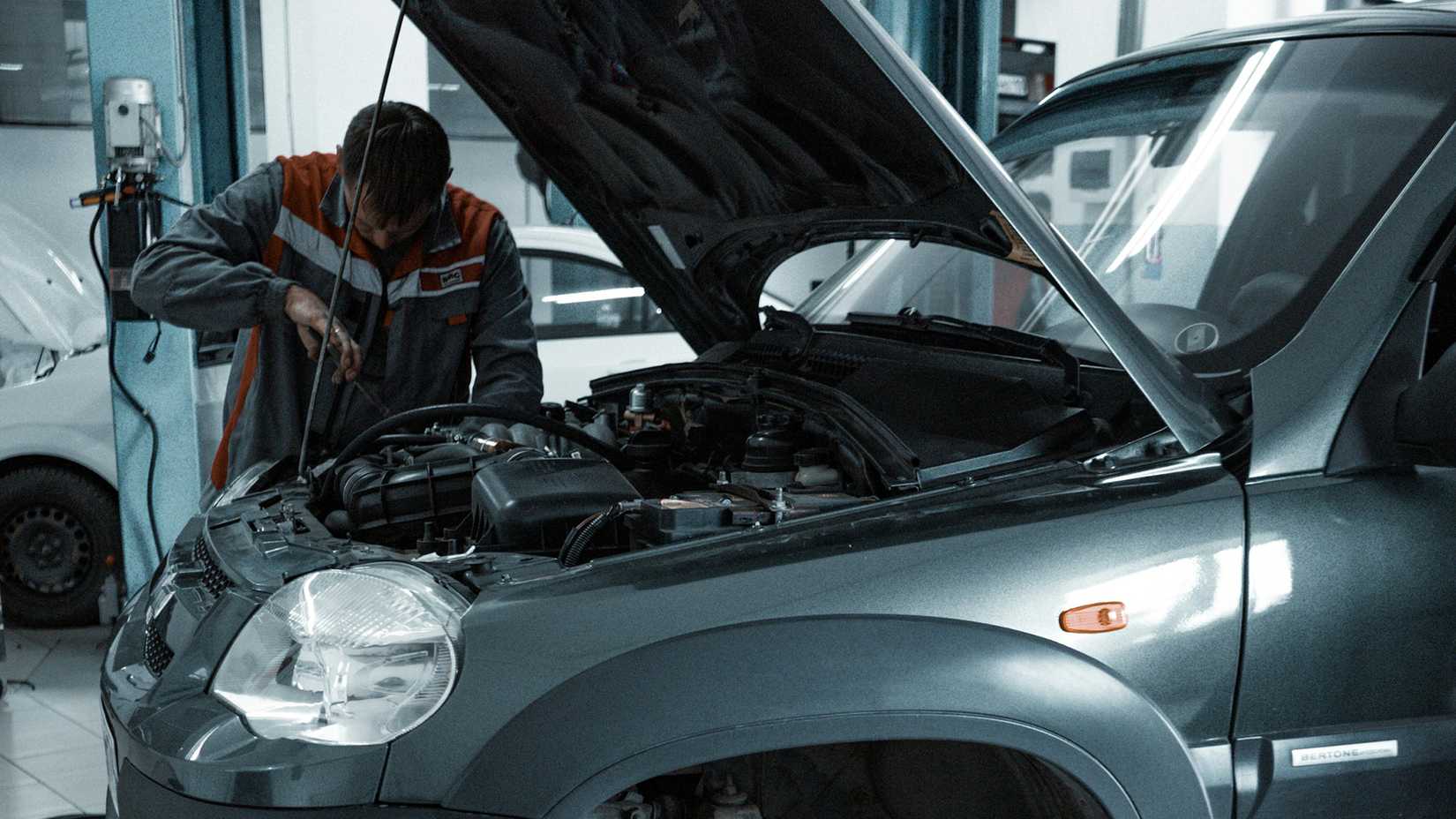
All new cars come with basic and powertrain coverage, but they have limits. Chevrolet, for example, includes a 5-year or 60,000-mile powertrain warranty on new vehicle purchases like the 2025 Silverado. Once that term runs out is when a new-car extended warranty kicks in.
“If you do want to purchase an extended warranty, remember that the price can be negotiated, just like the purchase price for the car.”
Just like it sounds, an extended warranty extends the length of warranty coverage on your vehicle. Also referred to as a service contract, these warranty extensions can also be purchased for used vehicles and can be configured in a wide range of formats. Extended warranties are offered by manufacturers or third parties, each with its own pluses and minuses, as we’ll dive into below.

Dealers Are Fighting to Get Paid More For Warranty Work
Lawmakers are seeing an increase in petitions that aim to make payment for repairs fairer.
What Repairs And Components Are Typically Covered?
Much like a new car warranty, the extended version often covers all major vehicle systems, mechanical and electrical. With a bumper-to-bumper setup, most everything on the vehicle will be covered, assuming the fine print says so. Think steering and suspension, air conditioning, and braking systems.
Buyers can also select extended warranties for specific needs like just the powertrain, for example. Regardless, the general idea here is that when repairs crop up after the original new car warranty has expired, an extended warranty can be used to cover the bill.

Hyundai Denied A Warranty Claim Because Of One Picture
Rebecca Walker says Hyundai denied her warranty, leaving her with an $8,000 bill and a smoking gun she hasn’t seen.
Extended Warranties: Manufacturer Vs. Third Party

The term “third party” is where the question, “are extended car warranties worth it?”, begins to take a turn towards head-scratching or even fearful. The extended warranty industry has a reputation for being rife with scams by unscrupulous third parties. The veracity of this is a different story, but the point is, consumers shopping the extended car warranty market can generally buy one directly from an automaker like Ford and Honda, or from a much deeper list of third-party companies.
Manufacturer Extended Warranty
If you’re buying a car at a dealership, chances are the salesperson will pitch you on extended warranty coverage directly from the manufacturer. This is often seen as more reputable with a major company behind the coverage. Nonetheless, it’s important to carefully read the service contract being offered to fully understand costs and exactly what is – and isn’t – covered.
Third-Party Extended Warranty
A third-party extended warranty simply means buying coverage from a non-OEM outfit. Much like you can shop for auto insurance from the likes of Progressive and Allstate, you can browse extended warranty policies from a long list of third-party providers.

Maserati Introduces Incredible Ten-Year Warranty
It’s available to Maserati drivers in the USA from October 1 and covers all Maseratis, old and new.
How Much Is An Extended Warranty?

Pinning down the typical cost of an extended warranty is difficult, if not impossible, given the huge number of variables involved in the process, like vehicle model, age, and mileage, how much coverage is needed, deductibles, and so on.
The fact is, extended warranties are overpriced. That’s the reason people sell them, because they make a bundle on them in commissions. I don’t recommend buying extended warranties, ever. If you can’t afford to repair your car, then you can’t afford the car – Dave Ramsey, money expert and radio talk show host
But figure on at least a few hundred dollars per year or up to several thousand. There are those who will tell you extended warranties are a waste of money, no matter the cost, but as with any purchase, it’s important to conduct your own due diligence before making a final decision.
Types Of Extended Warranties

To complicate the discussion around extended warranties even further, be aware that these contracts come in lots of flavors, from simple to complex. Here are some of the most common types of extended warranties.
Bumper-to-Bumper Coverage
Somewhat self-explanatory, bumper-to-bumper extended warranty coverage encapsulates the entire vehicle. So when you have a problem with the engine, transmission, suspension, fuel system, axles, HVAC, etc., the warranty will take care of the repair bill. However, just like with a new car warranty, wear and tear items like wiper blades, brake pads, and tires are not likely to be included.
Powertrain Coverage
Perhaps you only want to pay to have the powertrain covered – a reasonable move given this system consists of the major vehicle components – then you could select just this extended warranty. Powertrain is defined as the engine, transmission, and drivetrain.
Drivetrain Coverage
Going deeper, perhaps you want protection for the driveshaft, axles, and transmission, but not the engine. That’s where drivetrain coverage comes in handy.
Corrosion Coverage
Less expensive than powertrain or bumper-to-bumper coverage, a corrosion extended warranty is typically designed to protect against parts being ruined by corrosion. Understand, however, this does not mean surface rust or cosmetic issues, but when corrosion “eats” through a component.
Emissions Coverage
With an extended emissions warranty, you can have peace of mind that if components like the catalytic converter or oxygen sensors fail, replacement will be covered.
Wrap Coverage
Wrap coverage, not to be confused with gap insurance, is a type of service contract that provides coverage for a wide array of repairs not provided under the powertrain warranty. For example, if the powertrain warranty on your new car runs for five years, but the basic term is only good for three years, like with a new Toyota, wrap coverage kicks in when that 3-year basic term expires, so you’re covered on all fronts.
The Advantages And Disadvantages Of Extended Warranties

Purchasing an extended warranty for your vehicle is a personal decision, but here is a quick rundown of pros and cons to keep in mind when the time comes.
Extended Warranty Pros
- Longer Coverage: The ability to extend your warranty beyond the new car term.
- Deeper Coverage: Select a broader coverage than what the manufacturer may offer, including labor, diagnostics, roadside assistance, and towing.
- Resale Value: With a transferable extended warranty, you might increase the resale value down the road.
- Peace of Mind: If the idea of driving a car with no warranty coverage keeps you up at night, a service contract could be a good fit.
Extended Warranty Cons
- Cost: Until you start doing the research, you won’t know how much an extended warranty will cost, but it can get expensive.
- Deductibles: Even with an extended warranty, repairs will have deductibles of varying amounts that will need to be met before the coverage kicks in.
- Lack of Use: As with any type of insurance, there’s always the chance you pay for an extended warranty and never have to use it.
- Scams: These days, scams seem to be around every corner, but the extended warranty industry is said to be a hotbed for them. So tread carefully.
Sources: Consumer Reports, Car and Driver, Kelley Blue Book