

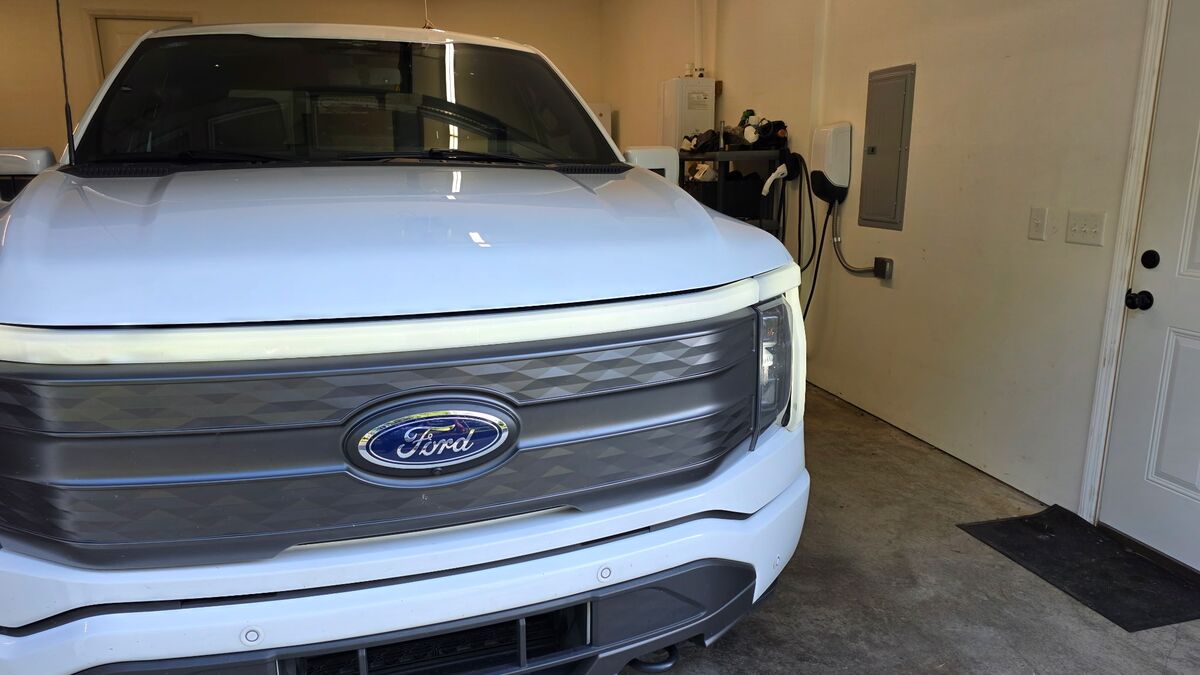
Owning and daily-driving an electric vehicle offers plenty of upside, but it comes with ownership costs, even without paying for fuel. Some of those costs relate to buying and installing a home EV charger, and while some people manage without one, the ownership experience is much less of a hassle when you can plug in and charge at home.
Beyond selecting a charger, you’ll need to think about where it’s installed, and many people find that their home electrical systems need an upgrade to handle the additional load. There are also different types of home chargers, including some that offer plug-and-play functionality and others that require a hardwired connection.
If you’ve got questions, we’ve got answers. This guide will help you learn about the different types of home electric vehicle chargers, their features, and what to look for when you’re in the market.
MORE: Electric Cars 101: What You Need to Know About EVs
Level 1 and Level 2 EV Chargers: What’s the Difference?
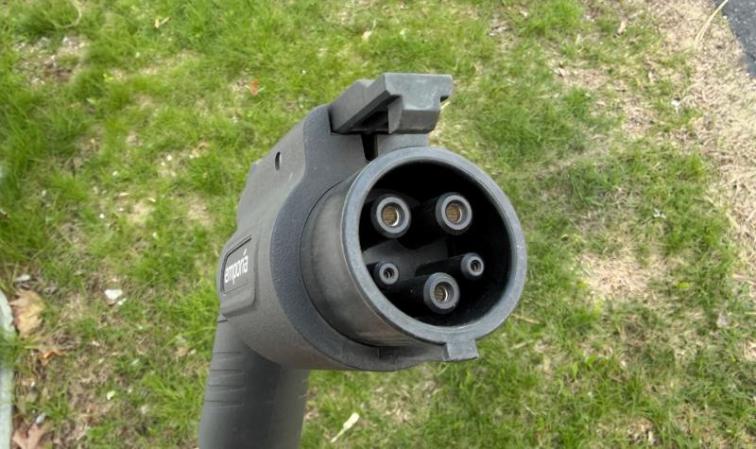
Unlike public charging stations, which can charge at 350 kilowatts (kWh) or more, you have only two options for charging in your home electrical system: Level 1 or Level 2. While the two offer wildly different charging speeds, both use SAE J1772 plugs, which were the industry standard for most automakers until recently. Tesla vehicles use a different system, but the company offers an adapter to expand charging access.
Level 1 charging uses a standard household outlet, and many new EVs come with a charging cord for home charging. That said, Level 1 should really be considered trickle charging, because it can take days to fully replenish some EV batteries, especially if they’ve been depleted below a 10% state of charge.
Level 2 chargers use a 240-volt connection, similar to a stove or clothes dryer, and are several times faster than Level 1’s trickle-charge speeds. While they don’t offer the speeds of DC fast chargers, Level 2 systems take hours to fully replenish an EV battery, rather than days.
No extra equipment to buy
Many EVs include a Level 1 cord, so there’s nothing more to purchase upfront.
Uses a standard outlet
Plugs into a regular 120-volt outlet, so no special wiring is required to get started.
Slow charging speed
A full recharge can take 11 to 20 hours, which is impractical for most all-electric vehicle owners.
Outlet safety concerns
Drawing high current for hours through a standard household outlet can stress old wiring and overheat plugs. Level 2 setups are a more planned, secure way to charge, as they are installed on a dedicated circuit by an electrician.
Up to 8× faster charging
Delivers a complete charge in roughly 3 to 8 hours, making it much more practical for daily driving on a full battery.
Smart features and app control
Most Level 2 units pair with a connected app, so you can schedule off-peak charging, track energy use, set charge limits, and get status alerts from your phone.
Requires a specific electrical setup
Needs a 240-volt outlet, like one used for an electric dryer, or a hardwired connection. An electrician is usually required.
Higher upfront cost
Installation typically runs $400–$4,500. The unit itself adds $500–$1,500, with total costs averaging around $2,000.
Bottom line: Level 1 can work in a pinch or for plug-in hybrids, but its slow speed makes it a poor long-term fit for most all-electric vehicles. Level 2 costs more upfront and is the better choice for daily EV driving.
What to Consider When Buying a Level 2 Home Charger
- Look for UL certified chargers tested by Underwriters Laboratories.
- Keep children and pets away from plugs, connectors, and receptacles.
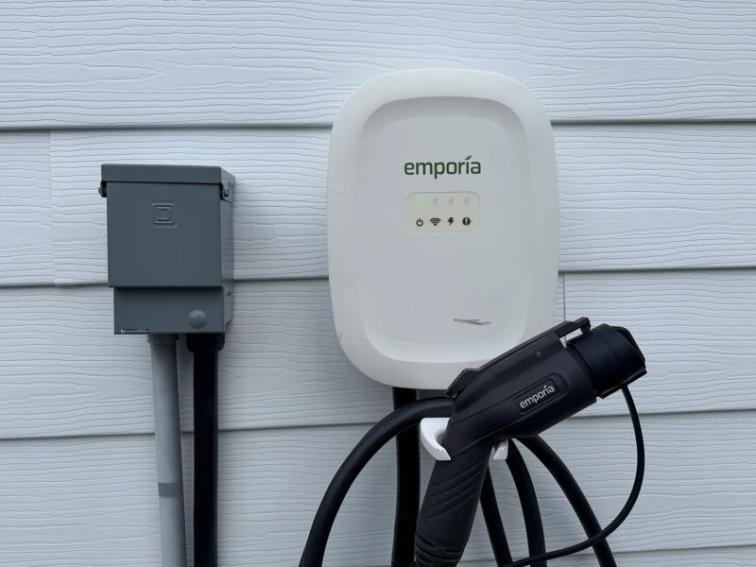
- Use the included connector holster to protect the plug from dust and moisture.
- Garage mounting protects the unit and helps with cold-weather charging.
- For outdoor use, choose a higher NEMA rating (NEMA-4 is better than NEMA-3 for rain and snow).
- Confirm the unit is rated for your local climate before installing outside.
- Chargers above 40 amps must be hardwired by a qualified electrician.
- Plug-in Level 2 units are easier to swap, upgrade, or move to another home.
- An electrician may still need to install a 240-volt outlet if one isn’t already nearby.
- Renters and condo owners may need landlord or HOA approval first.
- Have an electrician confirm your panel can handle a dedicated circuit.
- Use a 32-amp minimum circuit; a 50-amp circuit supports a 40-amp charger.
- Check for local permit and code requirements before installing.
- Choose a rugged cable rated for shock protection and wet conditions.
- Make sure the cable can reach your EV’s charge port from a reasonable parking spot.
- Cables under 20 feet can force you to park in one specific direction.
- Wi-Fi connectivity lets you start, stop, and monitor charging from an app.
- Some models schedule charging during off-peak utility hours automatically.
- Smart features typically add a few hundred dollars and are not essential for every driver or EV.
- Companion apps can initiate charging during off-peak hours to save money.
- Track energy used, average charging speeds, and session history.
- Get reminders and status alerts directly on your phone.
- Read buyer reviews to gauge real-world reliability.
- Outdoor units must handle extreme temperatures, snow, rain, and wind.
- Look for sturdy housings, sealed connectors, and a solid manufacturer warranty.
- Check how heavy the cable is. Thicker, higher-amp cables can be tiring to handle.
- See how easily the cable unwinds and stores on the unit or holster.
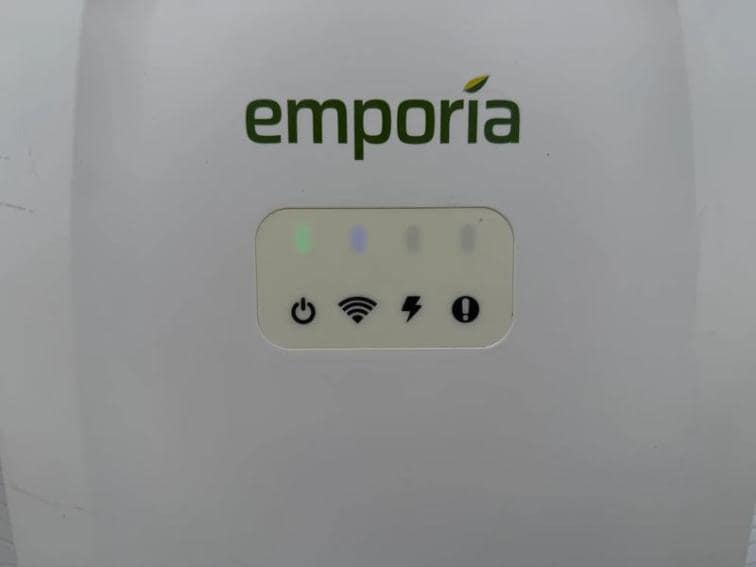
- Make sure status lights or displays are easy to read at a glance.
MORE: Kelley Blue Book’s Comprehensive EV Guide
Editor’s Note: We have updated this article since its initial publication.