Aiming High
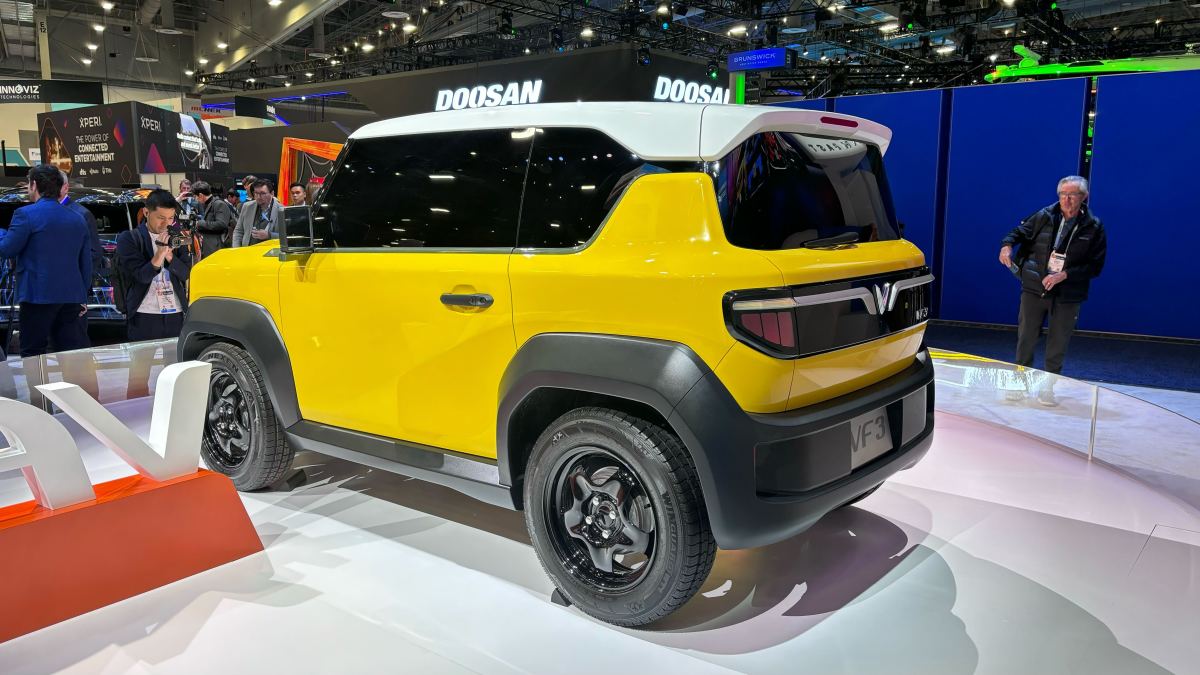
VinFast remains somewhat of an enigma despite being in the industry for quite some time now. The Vietnamese EV carmaker started off with intent by entering the U.S. market as early as 2017-2018, when EVs were just about to take off. It was a huge gamble for an unknown brand to enter a huge market.
Now, in 2026, we can say that the gamble did and didn’t work; it worked in the sense that VinFast remains a major EV player the world over, but it hasn’t carved out a decent enough following in the U.S. Despite slow growth stateside, and a tough 2025, they are committed as ever to continue playing for top spot in the EV space.
A Tough End To 2025
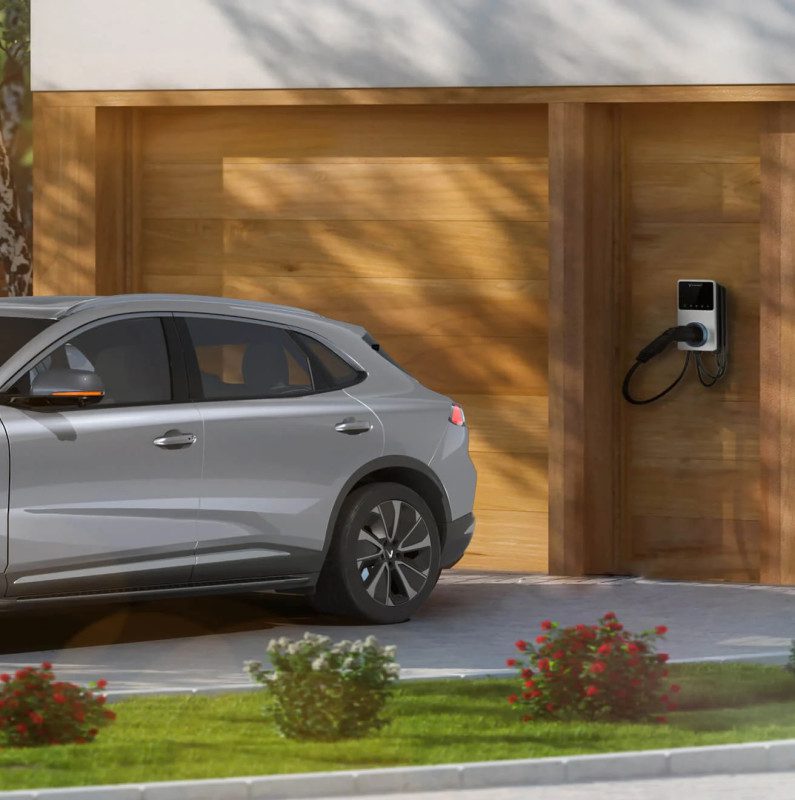
VinFast’s gung-ho attitude toward being in the U.S. is now biting back, according to Reuters. The company reported that its fourth-quarter net loss increased from the previous year. This is mainly due to the chargers’ impairment caused by the delay at the U.S. production plant. They aim to restart construction sometime this year.
They registered a net loss of 35.2 trillion dong ($1.34 billion) in the final quarter of 2025, which is 46% more than the same period in 2024, and 15% higher than the third quarter of 2025. Around $235 Million of the loss came from the proposed North Carolina EV plant. During an investor meeting, Chairperson Thuy Le said they are still very committed to the U.S. market and have been working hard behind the scenes. She also said they are targeting 2028 for the soft launch.
VinFast’s America production plant was first announced in 2022 and broke ground in 2023. However, due to a sudden slowdown in EV demand in 2024, they delayed construction to raise more capital. Approximate total investment will be in the neighborhood of $4 Billion, and the plant will also provide around 7,500 direct jobs for the state. When fully operational, the North Carolina plant will be capable of producing 150,000 EVs annually across the VF7 and VF8 SUVs.
Ronan Glon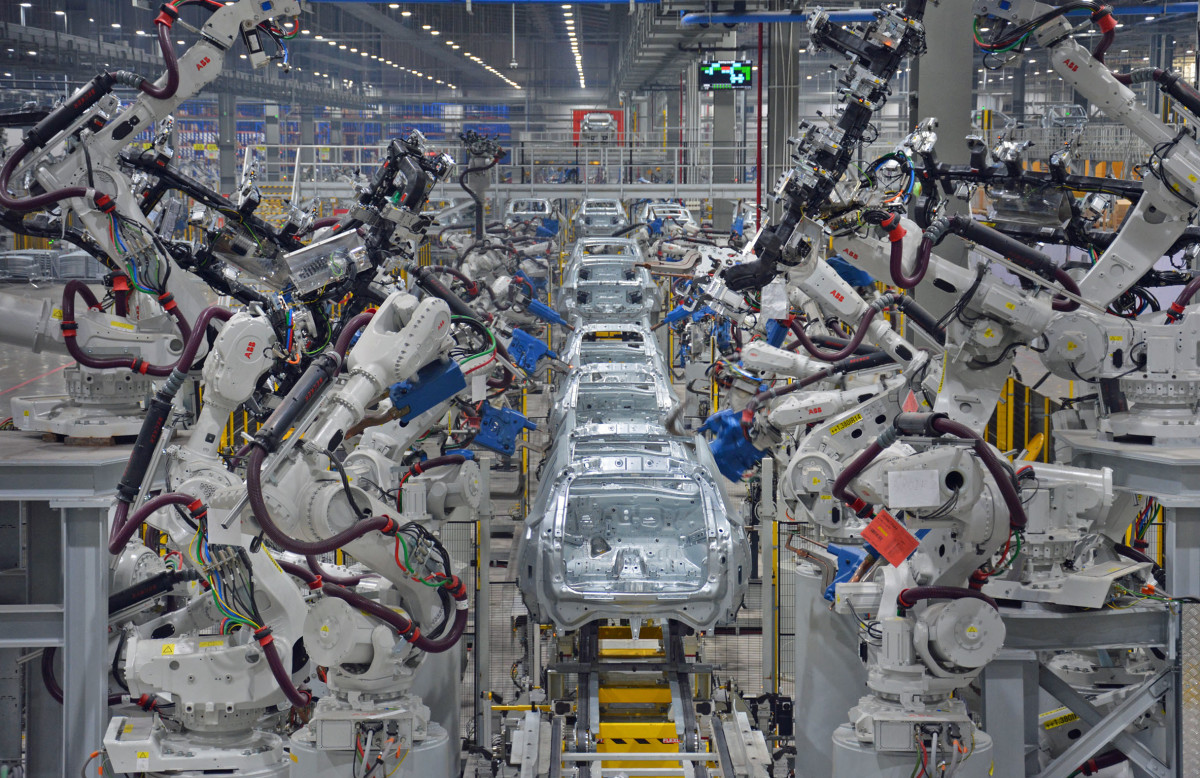
REEVs On the Horizon
One thing VinFast plans to do to possibly return interest to EVs is to launch Range-Extended Electric Vehicles (REEVs). This emerging powertrain option pairs a full EV with a small gasoline engine that is solely used to charge the batteries. The automaker sees this as a valid option for smaller countries that don’t yet have sufficient advanced charging infrastructure. They plan to roll out these REEVs in Vietnam by 2027.