

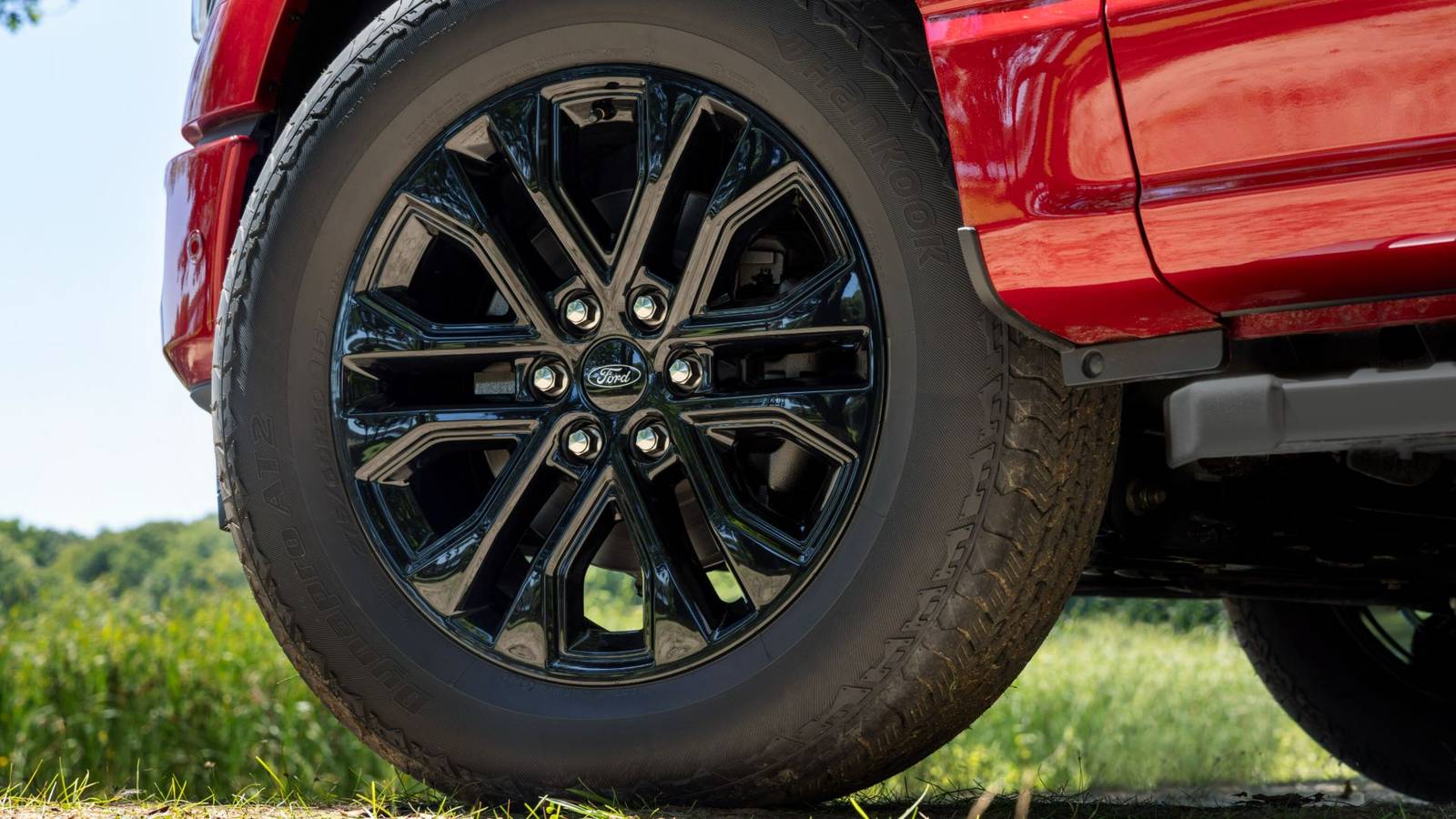
Ford has long been one of America’s automotive giants, underlined by a legacy that speaks of reliability, innovation, and engineering prowess. After all, the F-Series pickup truck is the most popular car in the country for more than just its rugged looks. But as vehicle prices increase by the year and repair costs rise, buyers are increasingly turning to warranties as a safety net for their investment – albeit a depreciating one. And with that background, how does the Ford warranty program stack up with regard to its new vehicles or lease deals? Does it deliver the peace of mind of promises, or does it fall short where the competition is stepping up?
Ford
- Founded
-
June 16, 1903
- Founder
-
Henry Ford
- Headquarters
-
Dearborn, Michigan, USA
- Owned By
-
Publicly Traded
- Current CEO
-
Jim Farley
In 2025, Ford’s standard new vehicle limited warranty begins with a solid foundation that covers defects in materials and workmanship across almost every component on a Blue Oval-badged vehicle. With the complimentary roadside assistance being added, suddenly Ford’s coverage fits the bill when it comes to peace of mind in everyday wear. However, how does it stack up against the warranty presented by the industry leaders, Hyundai and Kia? We need answers on this, because peace of mind is about duration, accessibility, and real-world reliability.
This article unpacks the standard Ford warranty coverage, explores the optional extended plans like Ford Protect, scrutinizes the fine print on terms and conditions, and stacks it up against Hyundai and Kia’s legendary offerings.
The Standard Ford Warranty Explained
What Does The Standard Ford Warranty Cover?
Officially dubbed the new vehicle limited warranty, the Ford manufacturer warranty is the cornerstone of ownership when it comes to the Blue Oval’s products. This warranty covers everything from the compact Escape SUV to the heavy-hauling Super Duty trucks. Still, this isn’t a bare-bones policy; it’s designed to be multifaceted to protect against manufacturing defects. But to break it down, the Ford bumper-to-bumper warranty delivers broad-spectrum coverage for three years or 36,000 miles, whichever arrives first. And if we “dumb it down,” virtually everything from the headlights to the taillights is covered under this umbrella, including the electrical systems, climate controls, and the SYNC infotainment system.
Bumper-to-bumper coverage means that an automaker, in this case Ford, covers repairs or replacements for defective materials or workmanship on more than 1,000 components. However, this does not cover brake pads, wiper blades, and tires – items that have separate provisions. So, to make it clearer: if, for instance, the 2025 Ford Explorer’s power liftgate malfunctions due to a faulty motor, Ford foots the bill at no cost for parts or labor. The coverage typically starts from the date of purchase or lease start, and is fully transferable to subsequent owners.
There Is A Warranty Exclusive To The Powertrain, Too
In addition to the standard warranty, there is also Ford’s powertrain limited warranty. This extends the standard warranty to five years or 60,000 miles and is aimed at the vehicle’s propulsion essentials: the engine (including the hybrid and electric variants), transmission, drivetrain, and axles. For diesel-powered models, specifically Ford’s F-Series powered by the Power Stroke engines, the coverage remains on five years, but the mileage increases to 100,000 miles. General Motors, for instance, has a three-year/36,000-mile powertrain baseline, with Ford’s offering outpacing this.
Any Other Benefits To Ford’s Warranty?

Ford also offers the safety restrain system that runs for five years/60,000 miles. This protection is for airbags, seatbelts, and related hardware – all ensuring that crash protection isn’t compromised. Corrosion perforation five years/unlimited miles, while federal emissions components are warrantied for two years/24,000 miles, but it can be extended to eight years/80,000 miles for key parts like the catalytic converter. The roadside assistance runs for five years/60,000 miles, and covers:
- Towing to the nearest Ford dealer (up to 100 miles)
- Flat tire changes
- Jump-starts
- Fuel delivery: 24/7, nationwide
- Travel reimbursement for rental cars during warranty repairs (up to $45/day for 10 days)
- For EV owners: charging station location support
Ford’s Optional Extended Warranty Coverage
Ford Protect Is The Benefit You Didn’t Know You Needed
Ford Protect is the Blue Oval’s premier extended service plan (ESP). What it does is transform the fear of what post-warranty repairs may be into a predictable, factory-backed endeavor. This added benefit can be purchased at the first signing, or anytime before the new vehicle limited warranty expires. It extends the coverage to 10 years or 175,000 miles from the original in-service date. The big benefit here is that it is not handled by a third party, but Ford itself. This means that owners are almost guaranteed seamless continuation of their vehicle warranty.
The Coverage Is Tiered, Here’s How It Works
Ford offers four tiers for traditional powertrains and three for electric; however, these aren’t one-size-fits-all programs. They’re all scalable from a basic extension to a maxed-out coverage, each building on the new vehicle limited warranty. The traditional Ford warranty coverage falls under these tiers:
PowertrainCARE:
This is the entry-level add-on that focuses on the essentials: engine, transmission, and driveline. This package is ideal for low-mileage commuters wary of the costs associated with big-ticket failures.
BaseCARE:
This package builds on the PowertrainCARE, but adds extra coverage for selected systems, notably the brakes, steering, and front suspension.
PremiumCARE:
This is the best-seller among Ford’s extended warranty programs. In addition to the more-than 1,000 components that are covered in the New Vehicle Limited Warranty, it includes high-tech items such as the radar sensors and SYNC infotainment system. PremiumCARE EV is ideal for electric vehicles with battery and charging coverage up to 150,000 miles.
ExtraCARE:
This rounds out the gas tiers with niche additions like sealed beams and hybrid components. The Continued Service Plans kick in post-10 years if you’re keeping your vehicle for the long haul.
GAP Offered Through Ford’s Financial Protection
When buying a new vehicle, owners are always confronted with the “what ifs” of ownership. To cover this, there are plans like GAP (Guaranteed Asset Protection), that shield against total loss shortfalls. If, for instance, you bought a Ford F-150 XLT for $45,695, it would depreciate to $30,000 in year two. GAP covers the $15,000 gap after insurance, paid directly to lenders.
Take Note: There Are Terms & Conditions
Stick To The Maintenance Schedules

If you want to retain your warranty’s validity, it is paramount to adhere to Ford’s maintenance schedule. It’s a non-negotiable. Each vehicle must be serviced based on mileage or time, with everything outlined in the Owner’s Manual. Oil changes are every 7,500-10,000 miles, tire rotations every 5,000 miles, and multi-point inspections annually. If you own a hybrid or an EV, the battery health must, on average, be checked every 15,000 miles. But why should a vehicle be maintained so rigorously? Simply put: warranties cover defects. Skipping an oil change could void the engine coverage if sludge builds up, leading to engine seizure. It is also important to retain receipts from any ASE-certified shop. Digital logs via the FordPass app simplify the log-keeping process.
Your Warranty… When/How Is It Voided?
This might sound like a loaded question, but it happens far more easily than one can imagine. Warranties are voided through neglect, abuse, or non-compliance. Primary triggers to void your warranty include skipping your maintenance and service schedules, modifications with non-OEM-approved parts like aftermarket exhausts. Abusing the vehicle beyond what the specs allow or can take, for instance, through activities like racing or extreme off-road ventures, without the vehicle being prepped properly. These would nullify the warranty via the “misuse” clause. Tampering (e.g. odometer rollback) or unreported accidents also void the warranty.
How Does Ford’s Warranty Compare With Hyundai/Kia’s?
The Koreans Have The Best In The Market
|
Warranties Compared |
||
|---|---|---|
|
|
Ford |
Hyundai / Kia |
|
Standard Warranty |
3 years/36,000 miles |
5 years/60,000 miles |
|
Powertrain Warranty |
5 years/60,000 miles |
10 years/100,000 miles |
|
Roadside |
5 years/unlimited mileage |
|
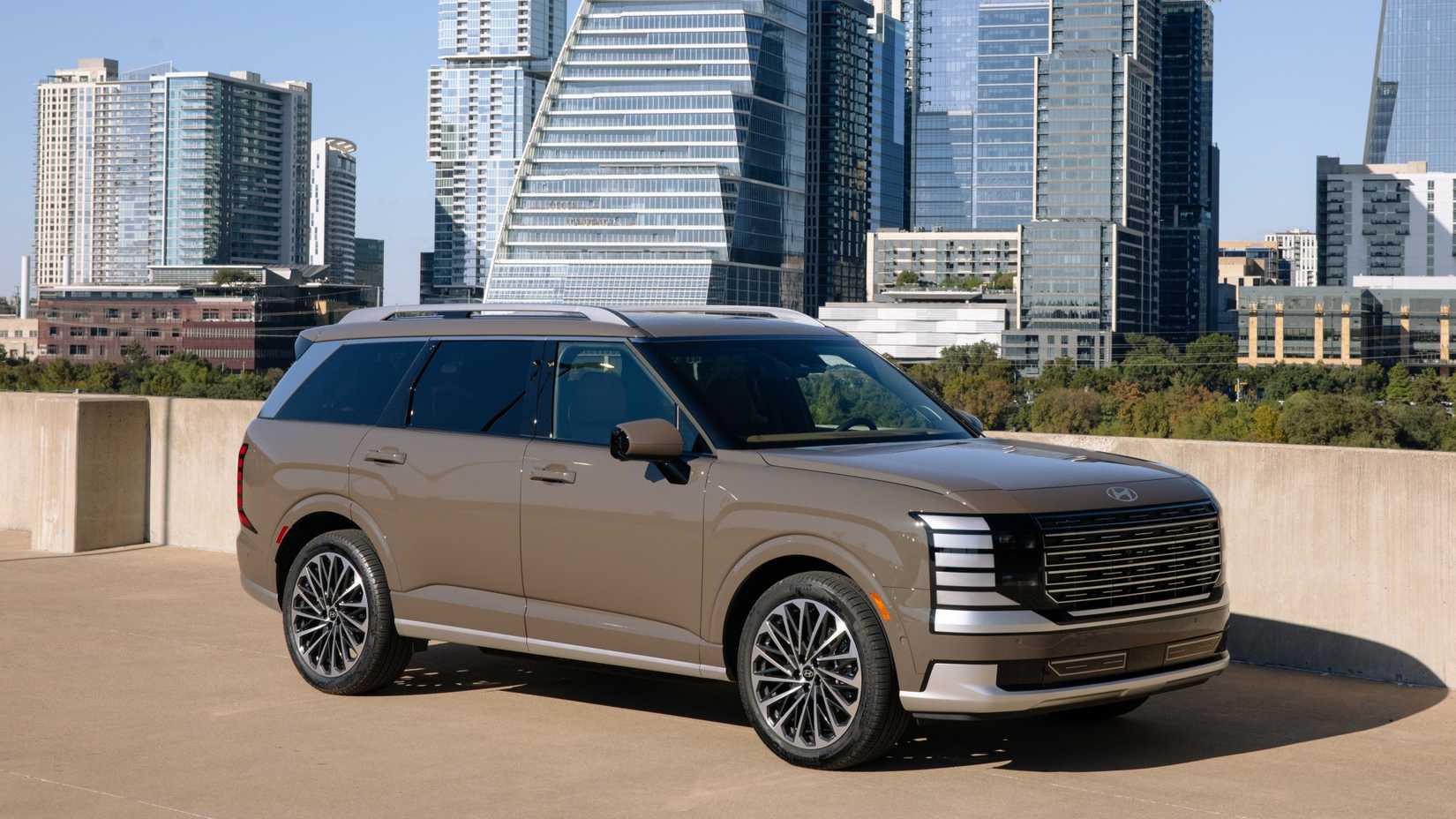
Though Ford’s warranty is a strong one, it lags in longevity against the one offered by Hyundai and Kia. The Korean brands boast with a 5-year/60,000-mile bumper-to-bumper warranty and a 10-year/100,000-mile powertrain warranty. This is double Ford’s basic terms. Hyundai and Kia also offer a five-year/unlimited mileage roadside assist, besting Ford’s five-year/60,000-mile limit. For both Ford and Hyundai/Kia, the warranties are standard at purchase or lease, but the extended options favor Ford’s tiers over Hyundai’s pricier options.
Verdict: Does Ford’s Warranty Bring Peace?

Ford’s warranty ecosystem is a good one for US drivers. The standard coverage is good with customizable extensions that align with the broader American public’s diverse driving needs. The three-year/36,000-mile bumper-to-bumper and five-year/60,000-mile powertrain warranties provide a good launchpad to get your ownership journey underway. Ford Protect elevates the ownership experience and peace of mind further, with the tiers offering added protection. However, we must warn that prospective owners are encouraged to read the fine print and adhere to the contractual demands. Skipped maintenance or abuse can lead to the warranty being voided, so adhering to the agreement is king.
Our verdict? Yes, the Blue Oval brings meaningful peace of mind to the ownership experience with its warranty. But for true serenity, pair it with Protect. However, Ford Protect is not a crystal ball, but more like a reliable co-pilot.
Sources: Ford, Hyundai, Kia