

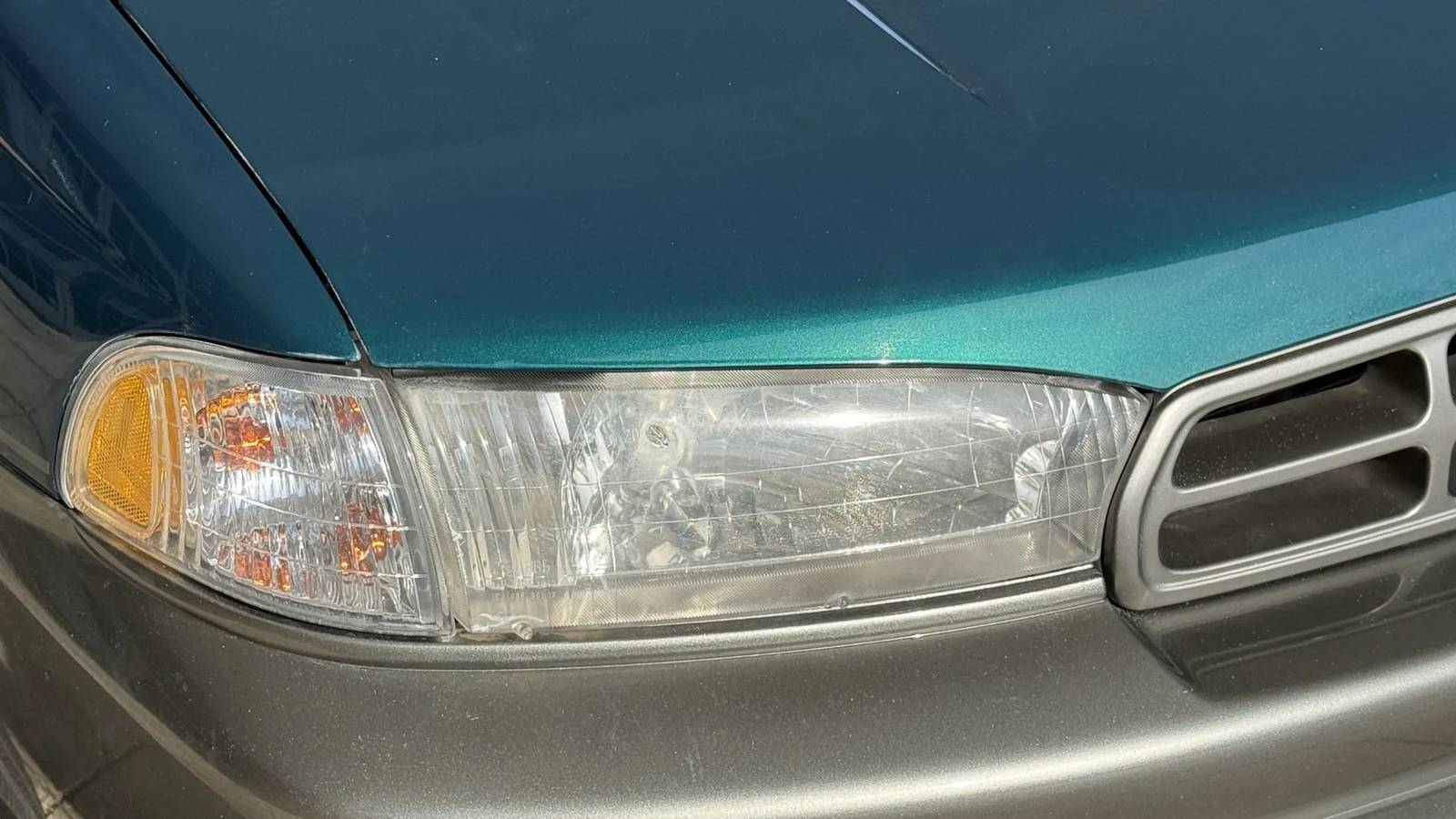
Subaru has had a loyal cult-like following ever since it entered the US back in 1968. However, when it won the World Rally Championship for three years consecutively from 1995 to 1997, people started to appreciate the brand’s cars even more. The Subaru Legacy is one such car that was built around the same period, but seems to have been forgotten as time passed by. We are here to tell you why the 1998 Subaru Legacy may be an underrated gem. As with any car from this period, there is a lot to know and research before going to buy an almost 30-year-old car. This guide should be your comprehensive insight into Subaru’s forgotten sedan/wagon, to help you determine if it is the right fit for you, what you should look out for, and what they actually cost in today’s day and age.
- Base Trim Engine
-
2.5L H4 ICE
- Base Trim Transmission
-
8-SPEED CVT
- Base Trim Drivetrain
-
All-Wheel Drive
- Base Trim Horsepower
-
182 HP @5800 RPM
- Base Trim Torque
-
176 LB.-FT. @ 4400 RPM
- Base Trim Fuel Economy (city/highway/combined)
-
27/35/30 MPG
We’ve used reputable sources to determine the value of the Subaru Legacy and its reliability record. As with any used car purchase, your results may vary and CarBuzz advises used-car buyers to do due diligence before buying.
A Brief History Of The Subaru Legacy
The Underdog On Debut

In 1990, the US market was pretty saturated in terms of picking a sedan. Honda and Toyota were completely dominating the competition with their Accord and Camry, respectively. If you wanted reliability, you could buy a Camry with your eyes shut. If you wanted an all-rounder, the Accord would satisfy all your needs. If you wanted a car to tackle dirt roads and go off-road, you never looked at sedans as an option and went for an SUV or wagon instead.
In 1990, Subaru decided to do something different. It launched the Subaru Legacy in both sedan and wagon body styles with an option to make them all-wheel drive. At the time, most sedans were FWD, which gave the Legacy an immediate advantage for someone who was looking for a sedan/wagon body style that could tackle challenging conditions. However, the car that changed the automotive landscape in the US was the Legacy Outback trim.
Why Should You Own A Subaru Legacy?
Outback Made The Legacy A Great Buy
|
1998 Subaru Legacy Specs |
||
|---|---|---|
|
Engine |
2.2L Boxer Four-cylinder (EJ22) |
2.5L Boxer Four-cylinder (EJ25) |
|
Transmission |
5-speed Manual or 4-speed Automatic |
|
|
Drivetrain |
FWD/ AWD |
AWD |
|
Power |
135 hp |
165 hp |
|
Torque |
137 lb-ft |
162 lb-ft |
The 1998 Subaru Legacy was available in so many trims that there was always a Legacy for everybody. The Brighton trim was the entry point, with basic features such manual windows and steel wheels, and it came with the smaller 2.2L engine, which actually turned out to be the more reliable of the two engine options. The L trim was the most common of the Legacy range and added features such as air conditioning and cruise control. AWD was optional on both these entry models, as well, as Subaru wanted this car to appeal to people looking for that feature in a sedan and wagon body style. Both these trims were also available as either sedan or wagon. There were also some sedan-only performance trims called the GT and GT Limited. This trim got the bigger 2.5L boxer engine with sport-tuned suspension and alloy wheels.
However, the most influential trim out of all the Legacies was the wagon exclusive Outback trim. The Legacy Outback was way ahead of its time and basically gave birth to the crossover market in the United States. It featured a raised ride height and rugged styling with a two-tone paint finish with standard AWD. The Outback Limited was the ultimate Legacy, with leather upholstery and heated seats. The Outback trim differentiated the Legacy from its rivals like the Accord and Camry as the perfect option for people wanting a car that could tackle rugged terrain while still looking like a wagon.
How Much Is A 1998 Subaru Legacy?
Rare To Find, But Not Impossible

Whoever bought a Subaru Legacy in the 90s bought one to use it thoroughly, so it is difficult to find low mileage examples. However, there are some examples listed ranging from $2,900 to $7,000. In 1998, the Subaru Legacy Outback Wagon was the most popular trim of this era. There is an example on sale that starts from just under $4,000 for a car with around 100,000 miles. GT sedans are rarer and usually demand more money. There is one currently on sale for just under $7,000 with 192,000 miles on the odometer. On BringATrailer.com, the cheapest 1998 Subaru Legacy Outback sold for $6,900 while the more expensive trims such as the GT trims sell for north of $10,000.
Common Problems With The Subaru Legacy
One Major Issue To Look Out For

The Subaru Legacy ’98 was never marketed as the most reliable car, and some of its problems become even more apparent once the car reaches almost 30 years of being on the road. Here are some of the most common issues to look out for before buying a 1998 Subaru Legacy:
- Head gasket: The biggest issue plaguing the Legacy is the head gasket failing, specifically on the 2.5 liter Boxer engine. Failures are typically reported around the 85,000 to 120,000-mile mark. Keep an eye out for replaced head gaskets if you are looking at Outbacks or GT trims, and note how many miles the car has done after they were replaced. If replaced recently, the 2.5-liter engine is generally reliable with no other major issues. The 2.2-liter engine is down on power between the two, but it is usually more reliable with no major concerns.
- ABS system: Some reports have noted an issue with the ABS system, where the pump runs constantly, draining and wearing down the battery.
- Oil pump seal may leak: The oil pump seal may be prone to excessive wear on cars that were not properly maintained. Cars with proper maintenance records and timely repairs should not be affected by this issue.
- Rust: In cities where road salt is common, make sure to check for rust in the wheel arches and close to the subframe.
Subaru Legacy Running Costs
The Price Of Choosing Niche

With two engine options, it meant if you wanted better mileage, you chose the smaller back, while the larger 2.5-liter delivered superior performance. That stands true even today, with the 2.2-liter engine being the better option for fuel economy with an EPA estimated city/highway/combined rating of 21/29/24 mpg. If the head gaskets are intact on the 2.5-liter version, it is good for an average of 19/25/21 mpg. The Legacy is a good car for fuel economy, even today, with the 2WD variants being even better for overall range.
A head gasket repair could cost you up to $2,500, so it is vital you know if and when they were replaced. A new ABS system may set you back around $100. The fuel pump seal is a relatively cheap fix, around $20 if it has not led to any other damage. The AWD versions also need to have all of their tires changed at the same time to make sure they are evenly matched, costing you up to $700 per set to install. As this is a relatively old car, insurance should be cheap, and the car has now fully depreciated.
Summary: Is The Subaru Legacy A Good Buy?
A Good Example Could Be Very Appealing

The Subaru Legacy was ahead of its time in so many ways. Being offered as a sedan and a wagon was very rare at the time, and the Outback laid the path for future crossovers, which have now become one of the biggest markets in America. If you find a well-maintained car with its head gaskets replaced, especially for the 2.5L Outback and GT variants, the Legacy is a refreshing change of pace and is a solid option for people looking for a work horse, but also a pioneer of its time. Otherwise, the 2.2-liter Brighton and L are solid options as an entry into one of the most iconic cars from the Japanese manufacturer.
Sources: BringATrailer, Edmunds, EPA, Subaru