

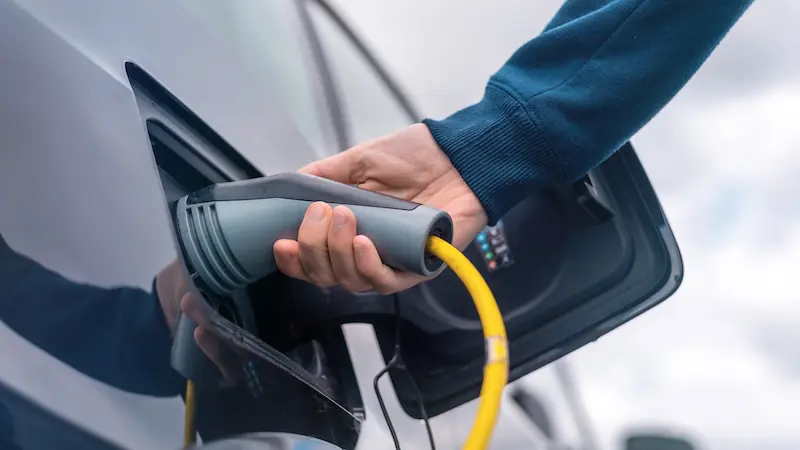
Every EV sold is a buffer against oil-price shocks. The higher crude prices go, the more each EV saves. But locking in these benefits requires action. Indonesia’s growing EV fleet was built on fiscal incentives that expired in 2025, and without new policies, the fleet’s growth—and its savings—could stall.
To sustain and expand the fiscal buffer, the government can extend incentives to commercial vehicles, which consume far more fuel than passenger cars. And introducing zero-emission supply standards for all road vehicles would ensure more choices and lower prices for consumers and fleets.
The data are clear: domestically produced electricity is steadily replacing imported barrels of oil. Every liter of fuel not burned is money the state can invest in roads, schools, and hospitals. For a country that spends billions on fuel subsidies and is now facing its largest subsidy bill in years, the calculus is straightforward—more EVs make Indonesia stronger.
From the International Council on Clean Transportation. Reproduced with permission.
Please sign up for The Driven’s free daily newsletter and get the latest EV news and analysis delivered straight to your inbox.