

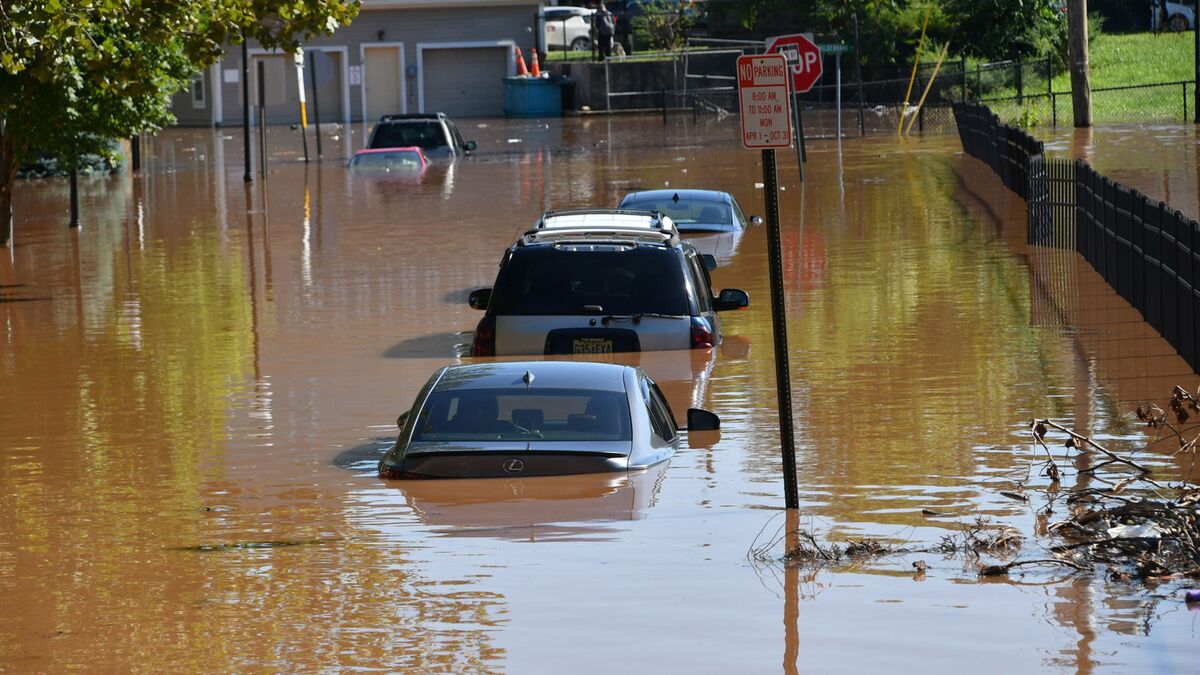
Quick Facts About Cars Damaged in Floods
- If your car insurance includes comprehensive coverage, you’ll likely be covered. If not, FEMA may cover the loss.
- Never drive a flooded electric car. Leave it where it is and call your insurer.
- In most states, selling flood-damaged cars is illegal without proper disclosure.
- Be wary of buying a car with flood damage. Some vehicles are sold across state lines before being registered as damaged goods.
Catastrophic rain events, hurricanes, and tropical storms, along with the resulting flooding, can damage and destroy vehicles, sometimes beyond repair. Do not attempt to start your if it has been flooded; you could cause more damage. Electric vehicles (EVs) also need special care. Use this resource to guide you through the process and help you start recovering and finding a new or used vehicle.
Remember, replacing your vehicle takes time and patience. Looking for a comparable vehicle could prove difficult in today’s market conditions. Car shoppers, even those searching beyond the affected regions, must be careful to avoid purchasing flood-damaged vehicles from unscrupulous parties. These vehicles could pose safety risks and costly hidden problems, such as electrical issues and rust, that could show up later.
Whatever your circumstances, you’ll find essential resources and information on identifying damage, understanding insurance types, assessing whether repairs are possible, and navigating the car-buying process.
Affected Vehicle Owners: Here’s What to Do
Read on for frequently asked questions about flood vehicles.
Does Car Insurance Cover Flood Damage?
Yes, it typically will if your car insurance policy includes comprehensive coverage. Take photos and call your car insurance company to determine your next steps.
Will FEMA Pay for My Flooded Car?
Potentially. According to FEMA, “Federal disaster assistance may help fill the gaps for those whose coverage does not pay for any or all storm-related damage costs.” If FEMA doesn’t cover the damage, your other options include getting help from the Other Needs Assistance (ONA) program or applying for a low-interest loan from the United States Small Business Administration (SBA).
What Happens if I Don’t Have Car Insurance?
If you didn’t purchase comprehensive car insurance, consider the FEMA, ONA, and SBA options. If nothing comes of it, or you live outside the declared disaster area, you’ll likely need to hire a qualified mechanic to assess the cost of repairing the damage on your own.
Once you know how the flooding affected your car, you can move forward with getting your vehicle repaired or replaced.
If nothing else, it can’t hurt to open the doors and windows (if you can), give the interior a thorough going-over with a wet vacuum, and perhaps even pull up the carpet to help dry out the car and prevent mold growth.
Can a Flooded Car Be Fixed?
It depends. According to State Farm, “Submersion of a vehicle in salt water, which is more damaging than fresh water, increases the chances of corrosion. Start drying out your vehicle as quickly as possible, and contact a towing service to get it back to higher ground. Oil, transmission fluid, and lube may need draining before a tow.”
Other insurers like Progressive say that “minor flooding that’s quickly drained can often be repaired.” However, many insurance companies consider a car a total loss if the water level reaches the dashboard and damages electronic components. Also, if a vehicle sits in water for extended periods, the insurance company may consider it totaled. In Florida, electric cars began catching fire after a hurricane in 2022 caused them to be sit in floodwaters.
Is It Illegal to Sell a Flood-Damaged Car?
It depends. In most states, selling cars damaged in floods is illegal without proper disclosure. However, some vehicles are sold across state lines before being registered as damaged goods.
How to Tell if a Car Has Been Flooded
To find out if a car received flood damage, check the vehicle history report from AutoCheck or Carfax. They offer free flood-risk checks using the vehicle identification number (VIN). You can also visually inspect a vehicle and look for tell-tale signs like foggy headlights or rust. If you can’t tell or are unsure, consider getting a professional vehicle inspection. Knowing the vehicle’s actual condition and history helps ease your mind.
What Happens If a Leased Car Is Flooded?
If you leased a car, comprehensive insurance would likely cover your vehicle. You can go through the same process of calling your insurer and filling any gaps with FEMA and other federal programs, if available to you. Check your lease agreement to find out the exact specifications.
Should I Keep Making My Monthly Car Payment?
Yes, with an asterisk. Talk with your vehicle finance company. Many manufacturer-related financing arms, like Ford Credit, GM Financial, Toyota Financial Services, and Kia Motors Finance, could offer affected owners payment relief or flexible terms during hardship events.
What Should I Know About Hybrid and Electric Cars Damaged by a Flood?
According to the National Highway Traffic Safety Administration’s (NHTSA) website, “batteries in hybrid and electric vehicles are highly corrosive and should not be exposed to standing water.” NHTSA also says batteries could short-circuit and catch fire, even weeks after battery damage occurs. After Hurricane Ian in 2022, Florida officials reported that electric cars spontaneously caught fire.
If you suspect saltwater battery damage to your car, unplug the vehicle and talk to your insurance company to determine the next steps.
I Don’t Live Anywhere Near Flooded Areas; Do I Need to Be Concerned?
Yes. Unscrupulous parties can obtain a flood-damaged car cheaply, “clean” the title by registering it in a different state, and then sell it in another state for full value by passing it off as an unaffected vehicle.
Dealerships in affected regions may take time to reopen. You may need to expand your dealership search area. In addition, the challenging car marketplace means you’ll likely pay more for your vehicle. New car prices are at staggering highs. The challenging supply of used cars has pushed up those prices, too. For shoppers who must finance a purchase, higher interest rates can make vehicles less affordable. However, the new car loan interest rate deduction may help some buyers, provided the vehicle they want is assembled in the United States and is less affected by tariffs. Use the negotiation tips in our car buying guide before you set out.
Use these other guides to help you with your search:
Editor’s Note: We have updated this article since its initial publication. Renee Valdes contributed to the report.